Case study · 2026
Emma
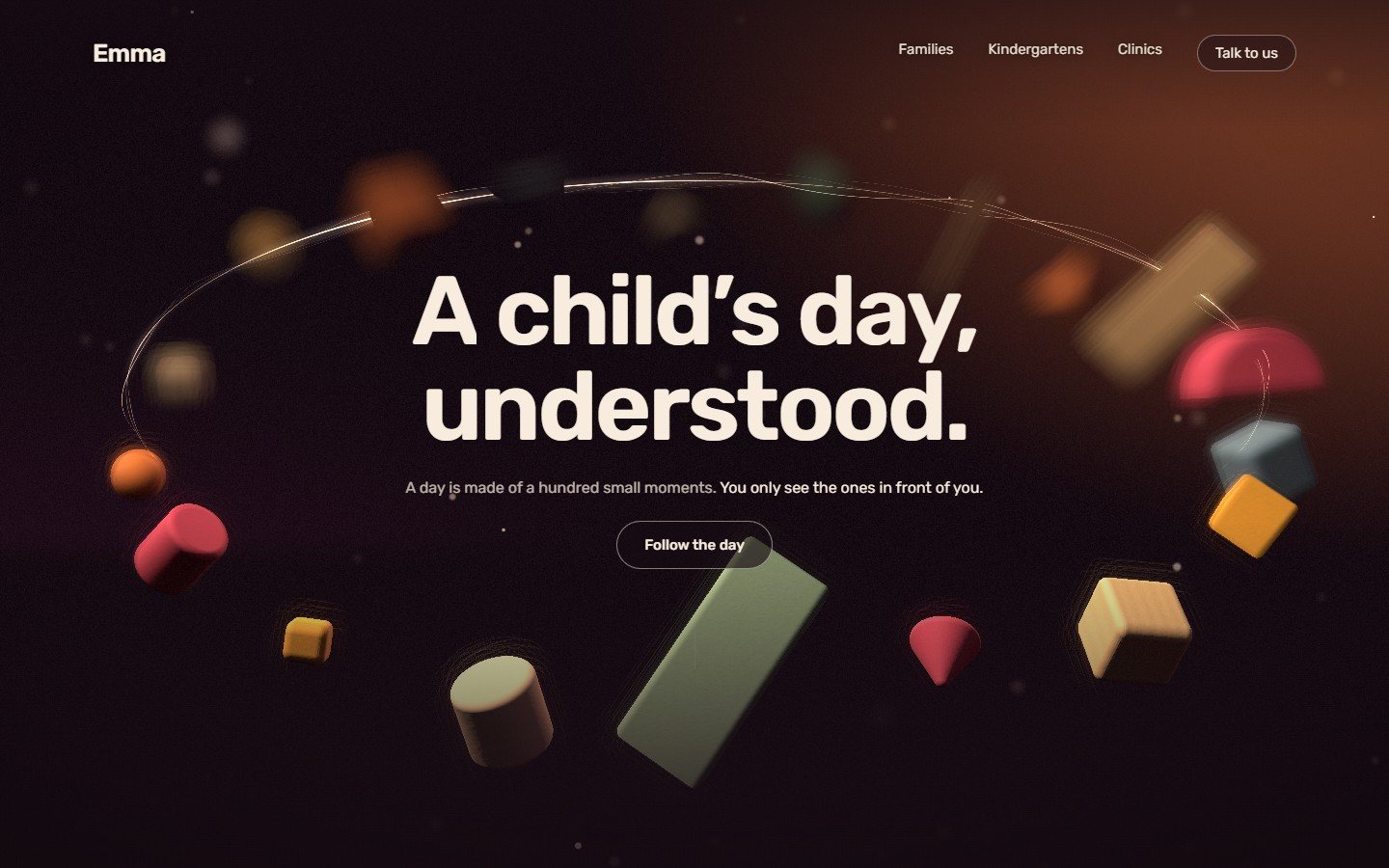
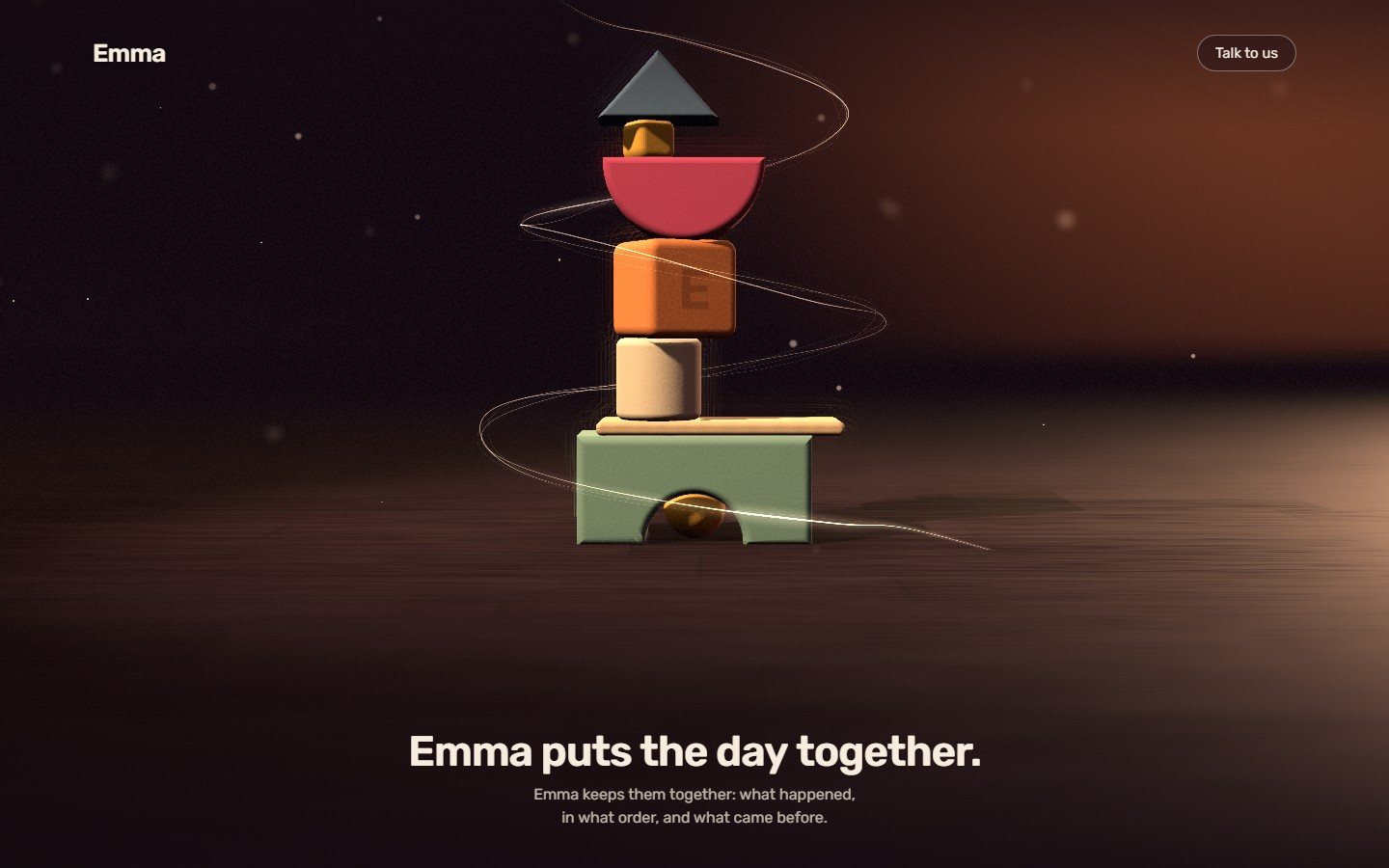
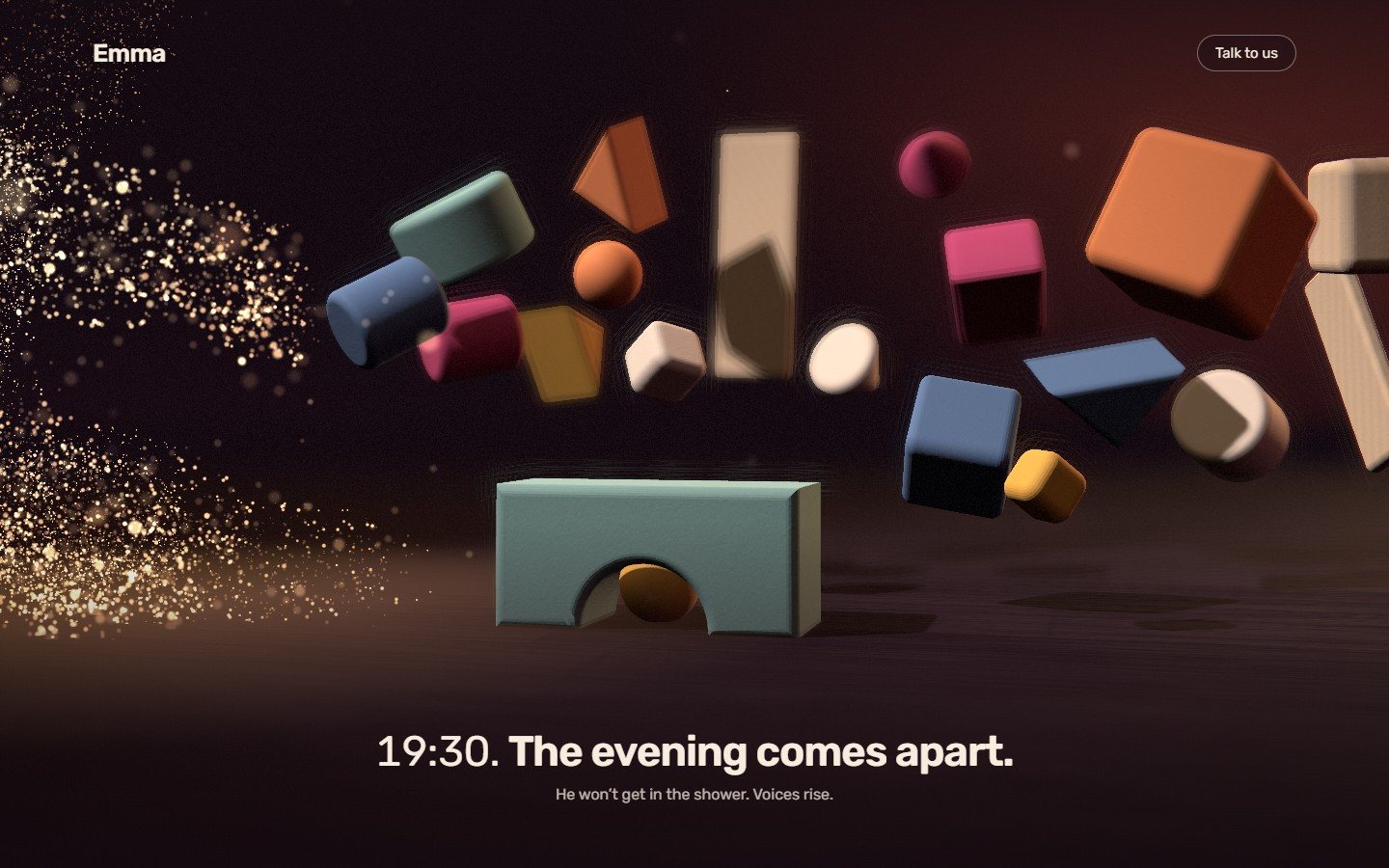
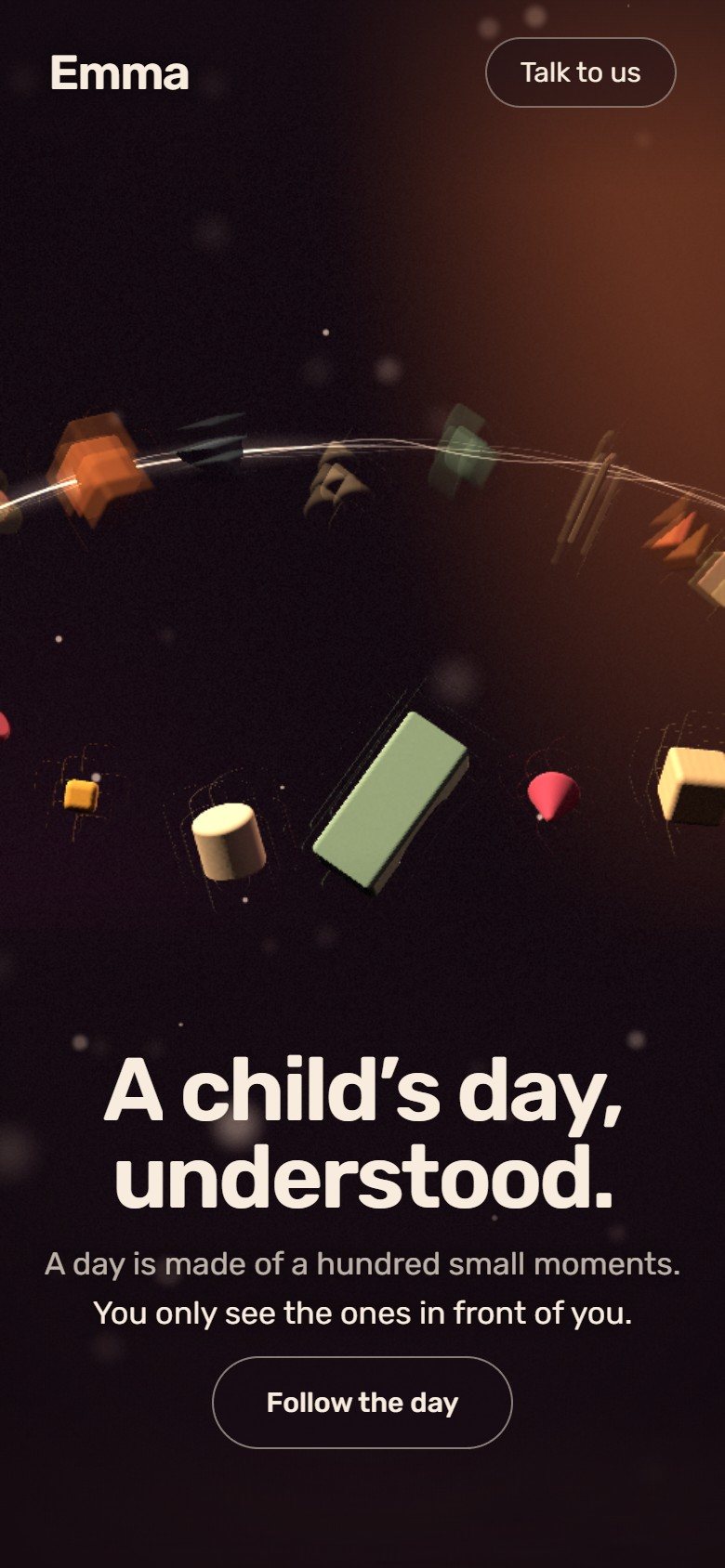
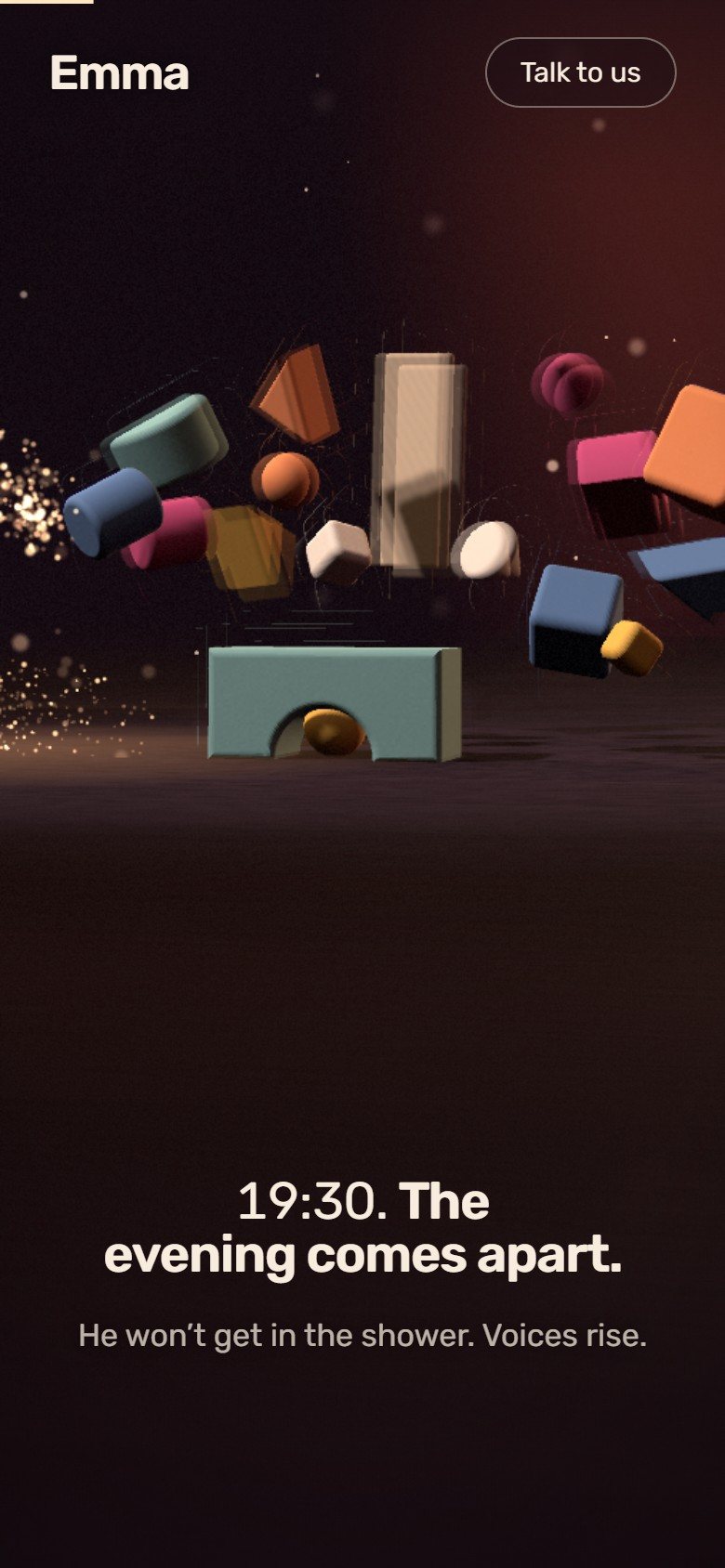
A new website for Emma, a child-development platform for families, kindergartens and clinics, told as one scroll story: a day's moments stand as a tower of painted blocks, fall at 19:30, and lead back to where the evening began.
- Client
- Emma
- What we made
- Art direction, Story, Copy, 3D, Website
Emma helps parents, kindergarten staff and therapists make sense of a child's day. We redesigned its website as a single evening, told in painted toy blocks, figures of light and one warm key light, from the first moment of the day to the next morning.
01 · The problem
A product about care, dressed as a cold start-up.
Emma reads short moments from a child's day, at home and in kindergarten, and helps the adults around the child understand them and know what to do next.
Its website looked like most technology launches: a black page, cyan and violet neon, a glowing brain held in a child's hands. The pictures led with worry: a child alone, tired parents, an empty chair.
The whole story was there, but told as stacked cards, with sections that faded in so late that whole screens sat empty. The question we set ourselves: how do you show a parent what a whole day can explain, with warmth instead of fear?
02 · The look
Five ways to tell one day.
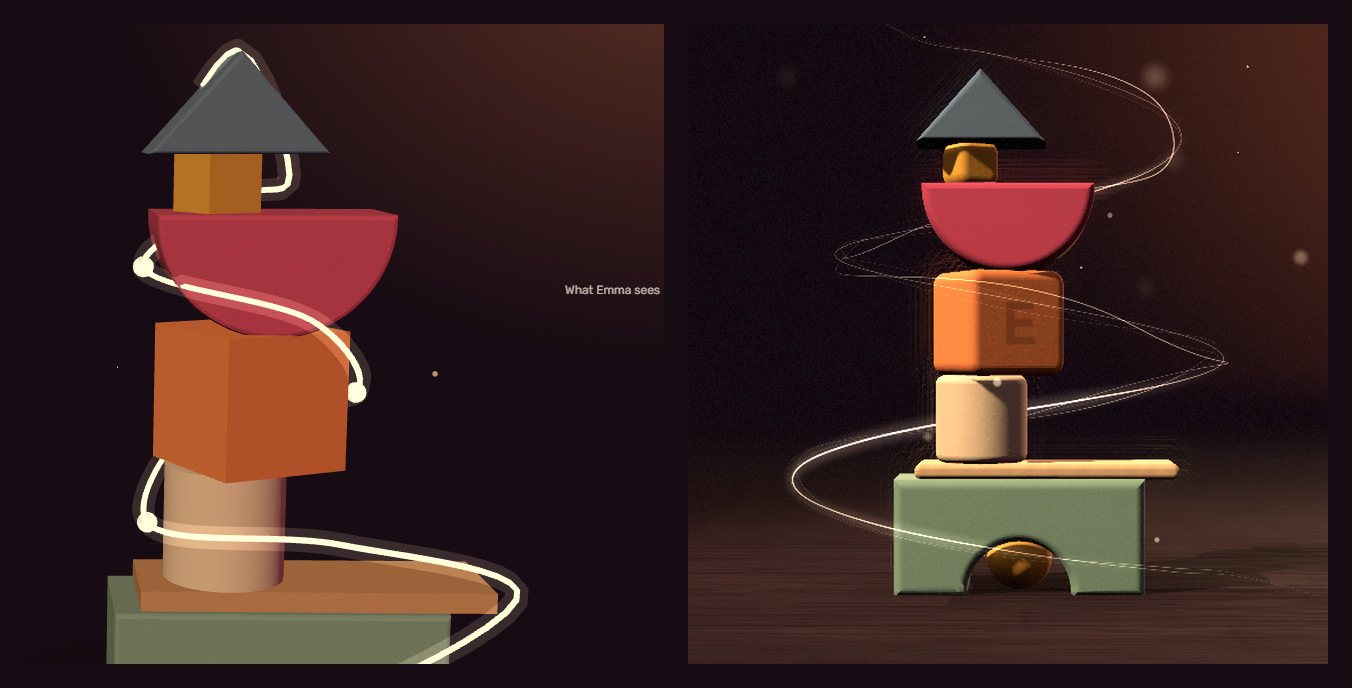
We wrote five treatments, each with its idea in one sentence and a frame of the opening at full size. Beads on one thread. A child's soft toy as the light moves around it. One day of window light. A child seen in dots, then understood whole. Painted blocks with a thread of light through every one.
The first four began on pale paper and cream. Emma's own brand is dark, so we kept it dark and made it warm: a room at dusk or early morning with real light in it, a mulberry near-black instead of black, and no neon anywhere.
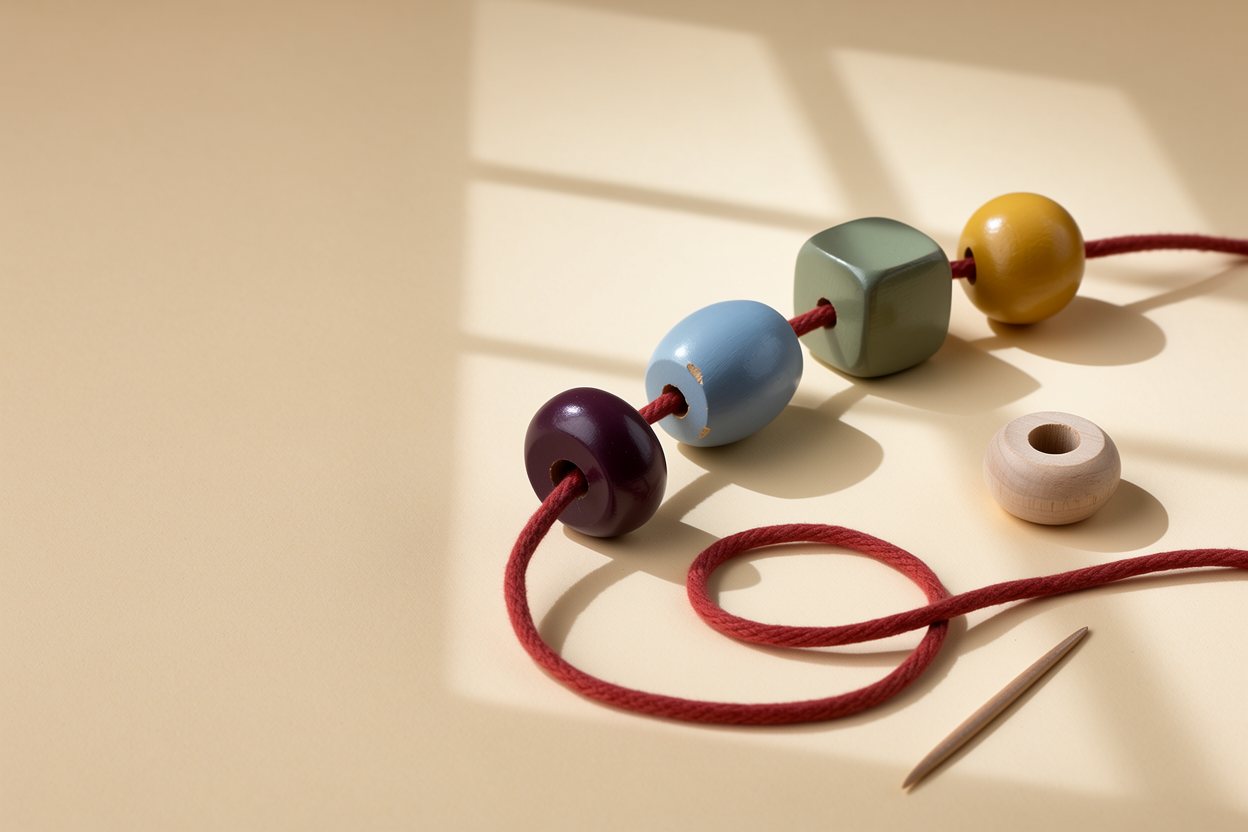
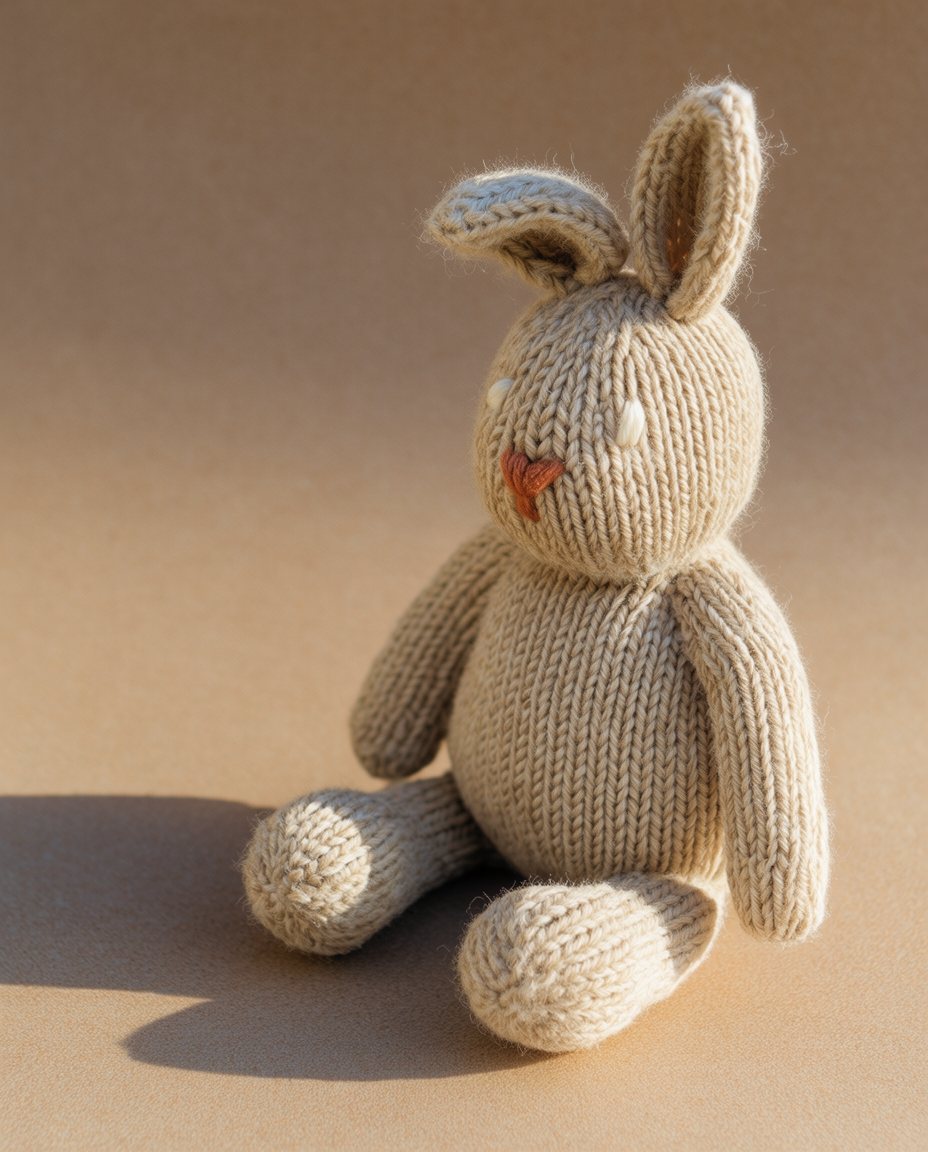
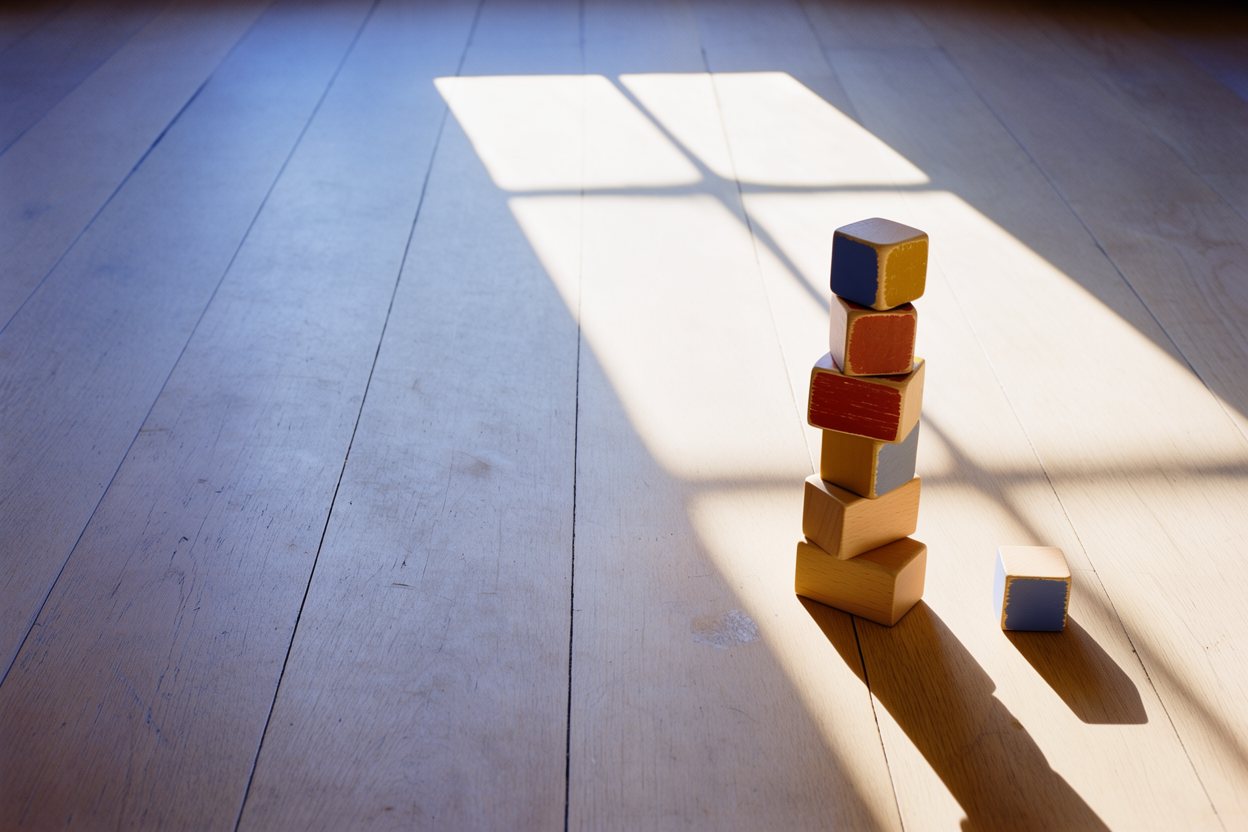
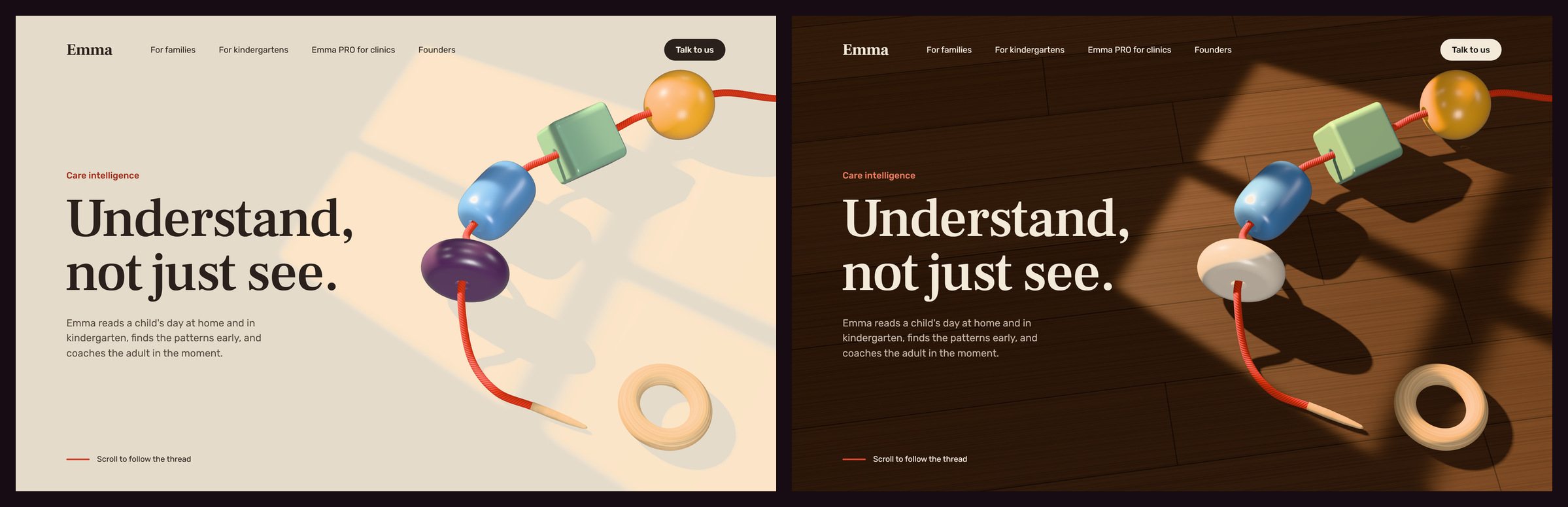
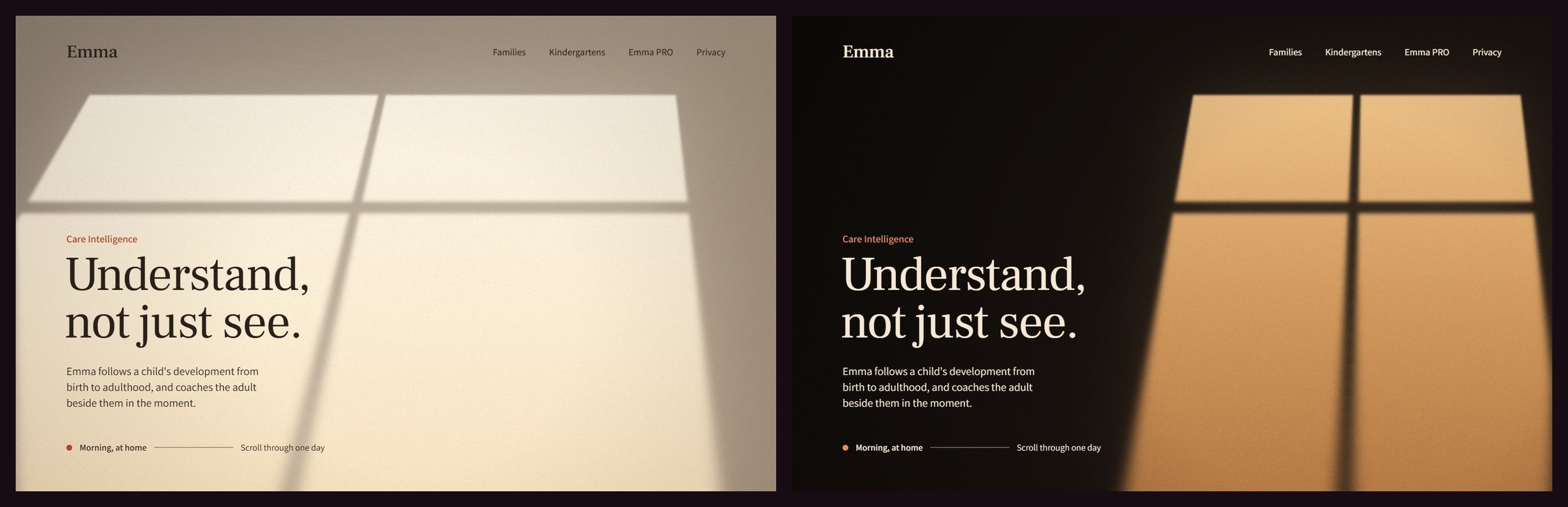
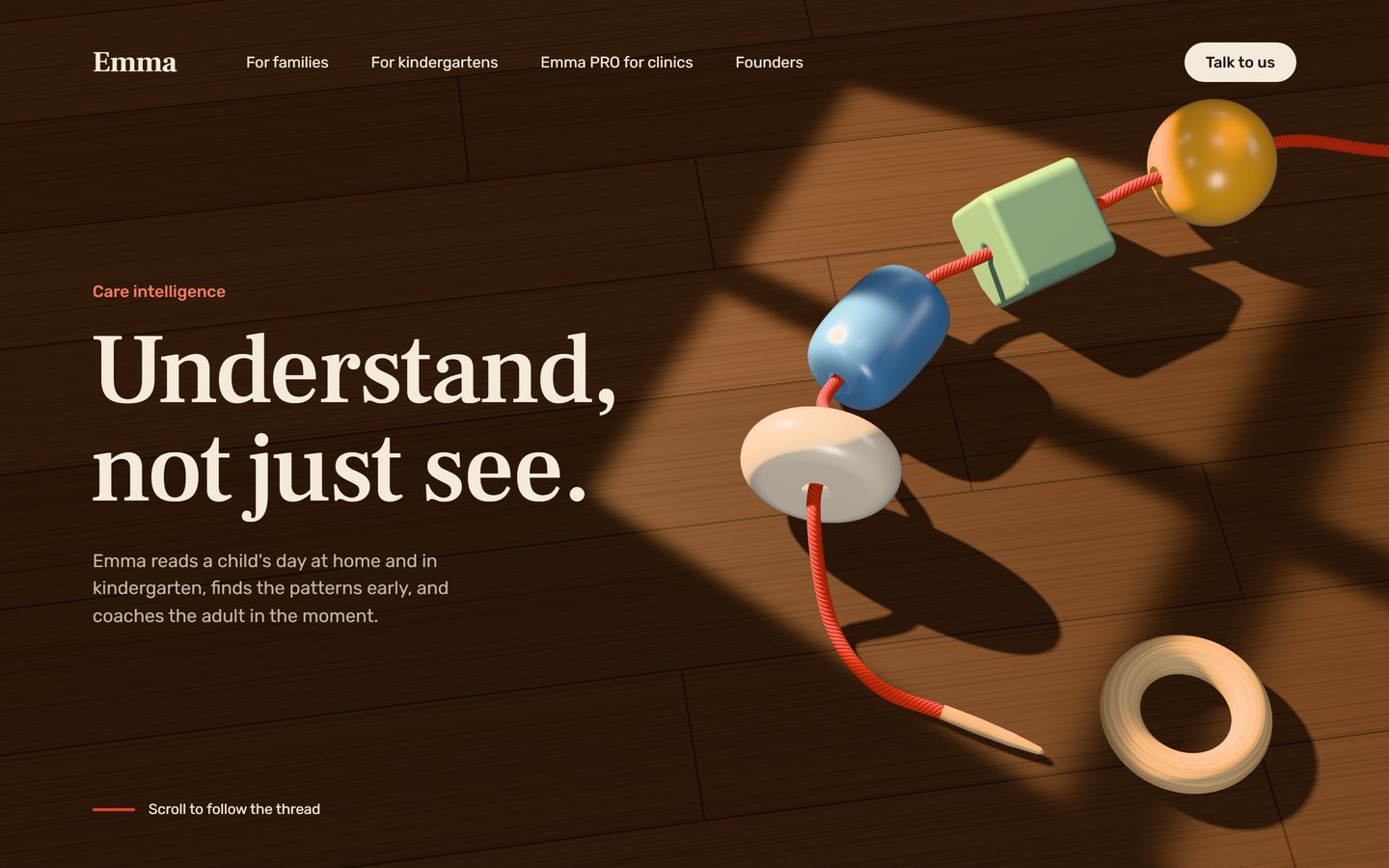
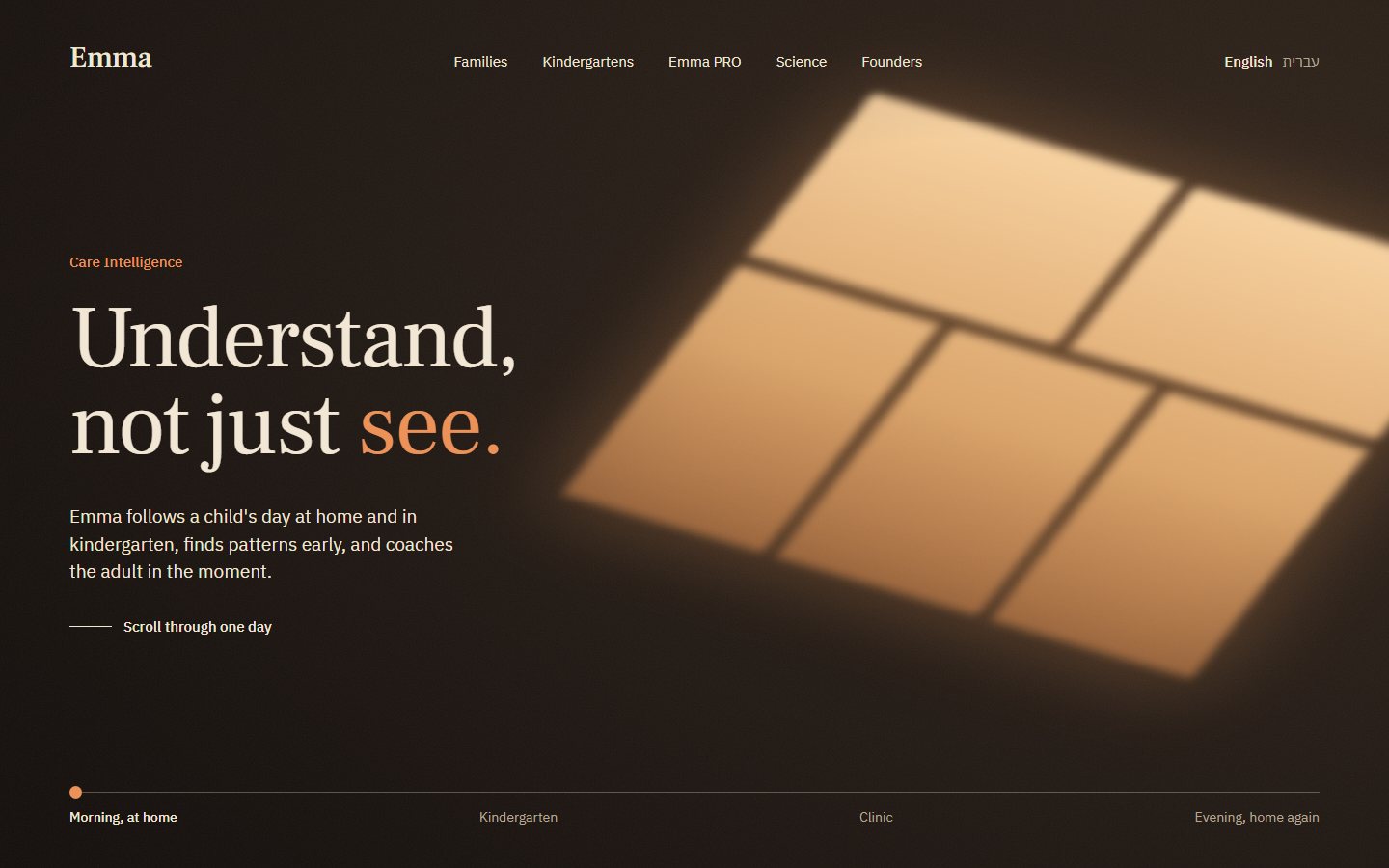
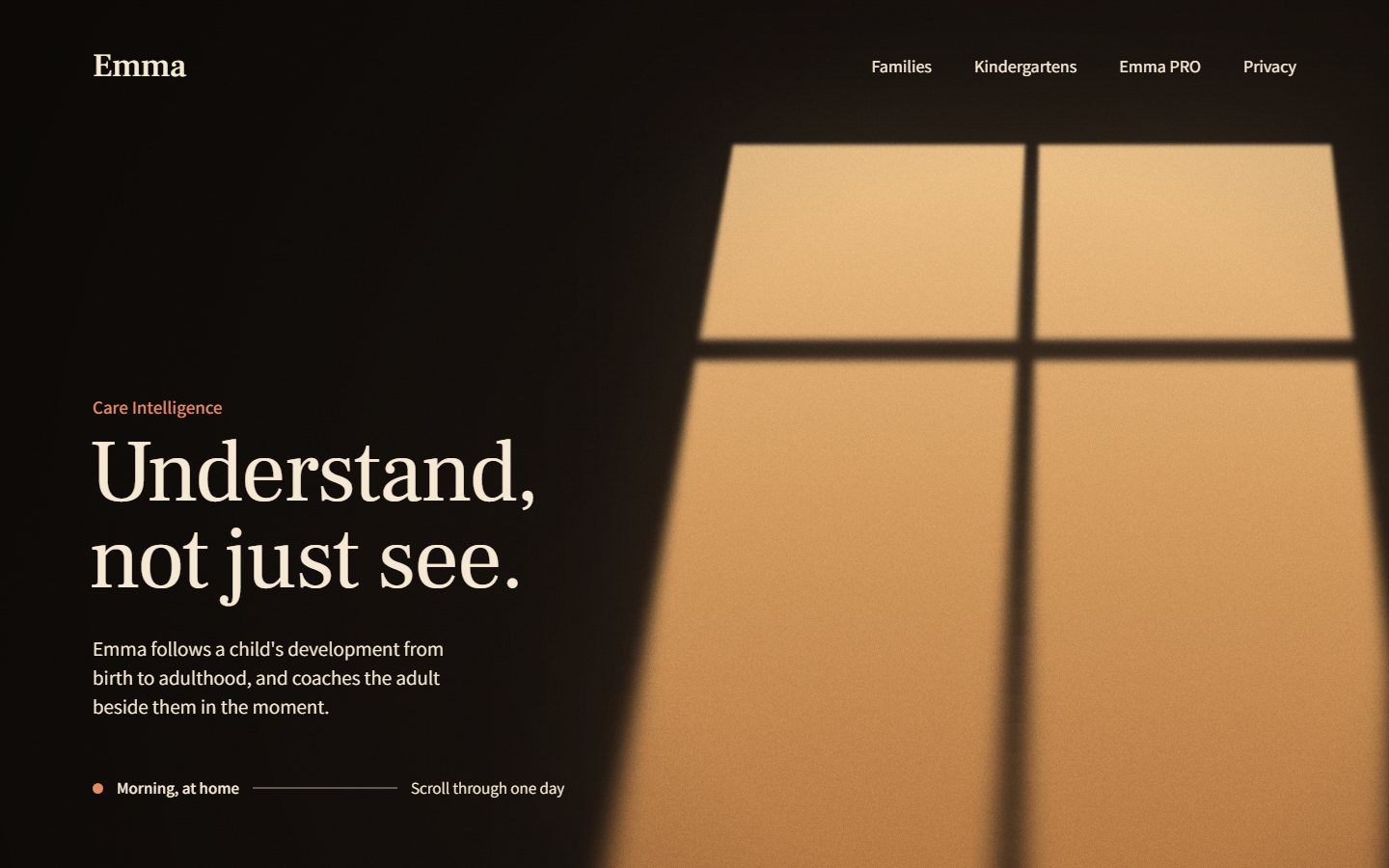
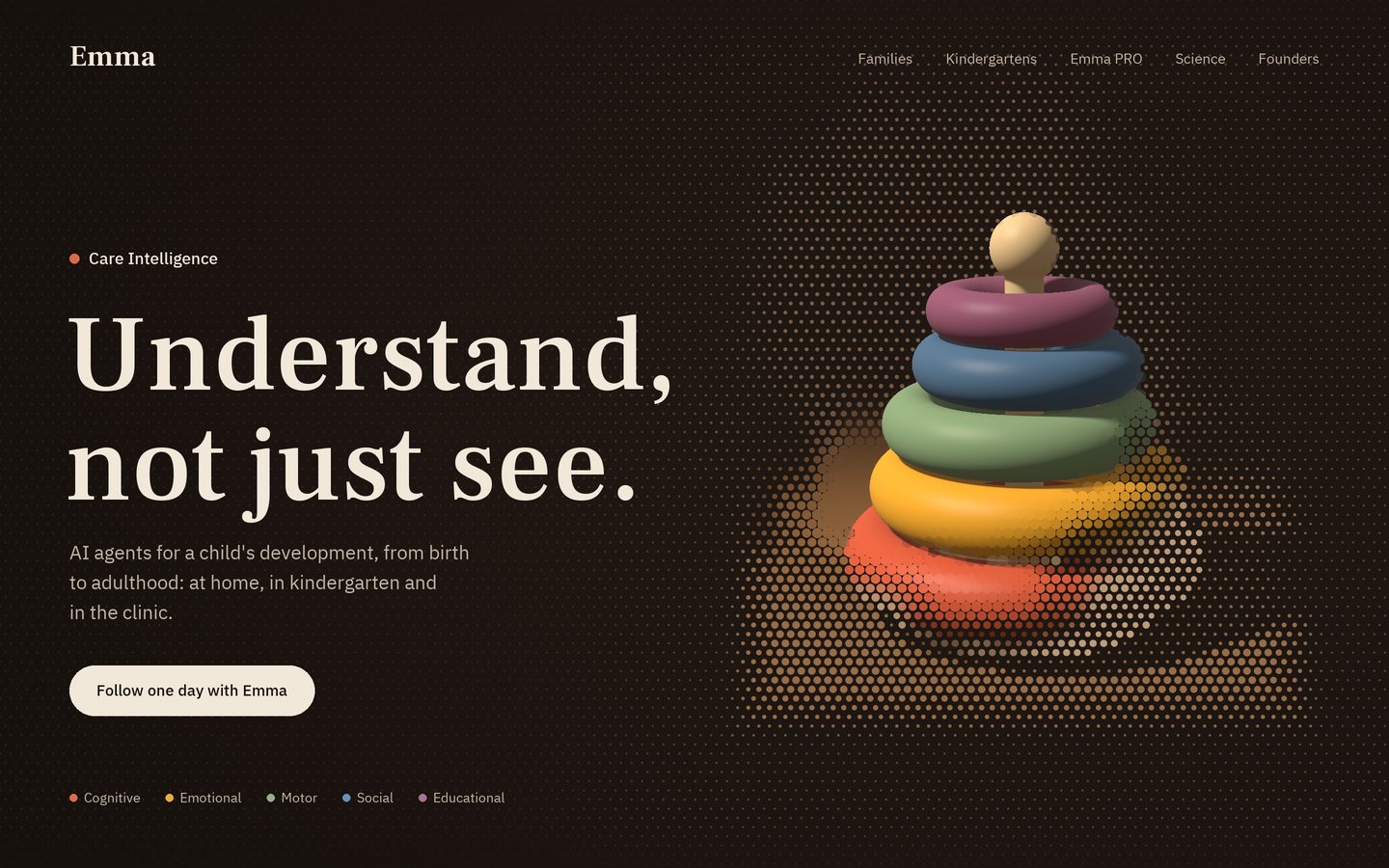
The thread of a day.
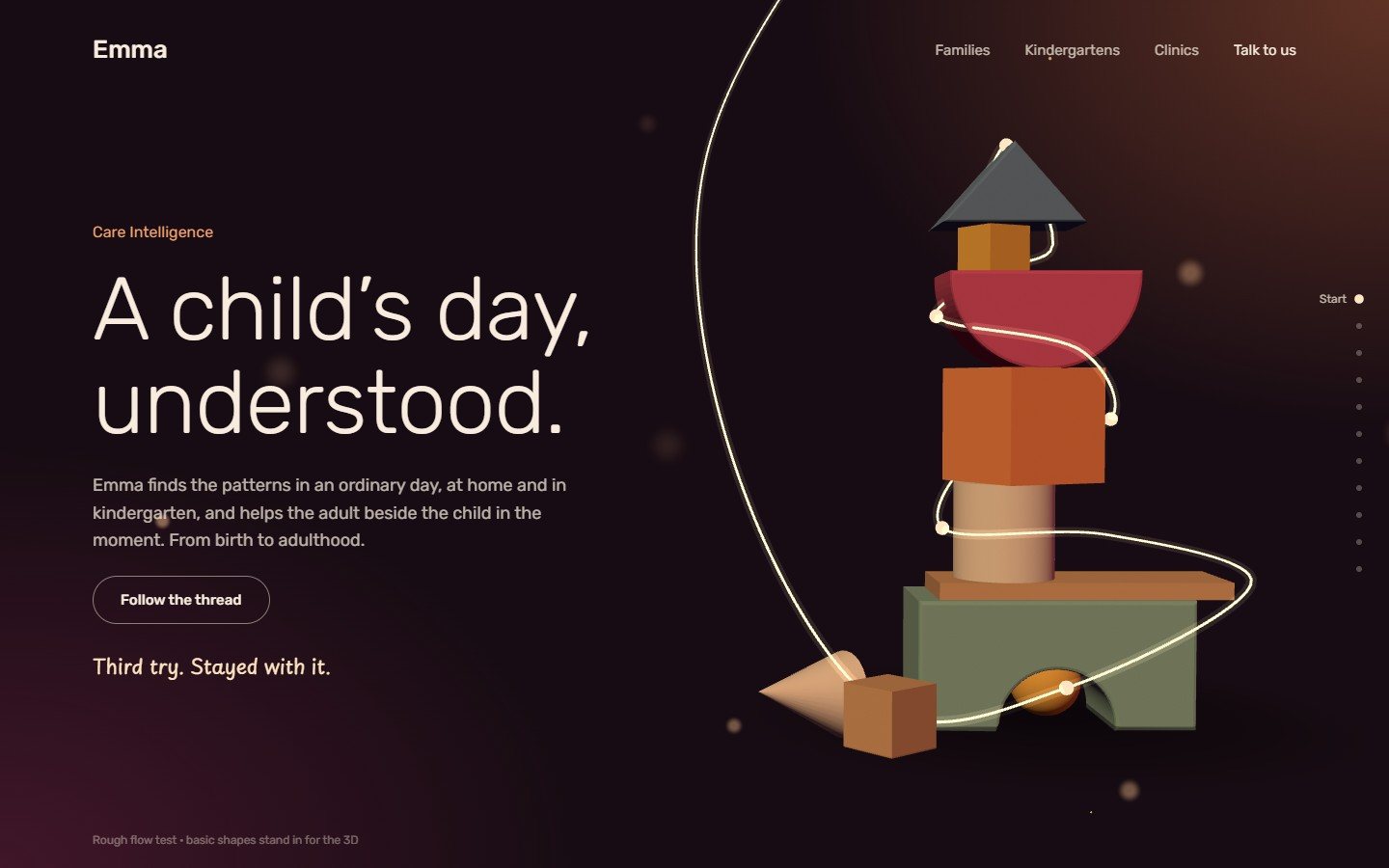
We chose the fifth. Its first tower was mostly cubes. A child's day is more varied than that, so the blocks became arches, half-rounds, cylinders, roofs and cones, each one a different kind of moment.
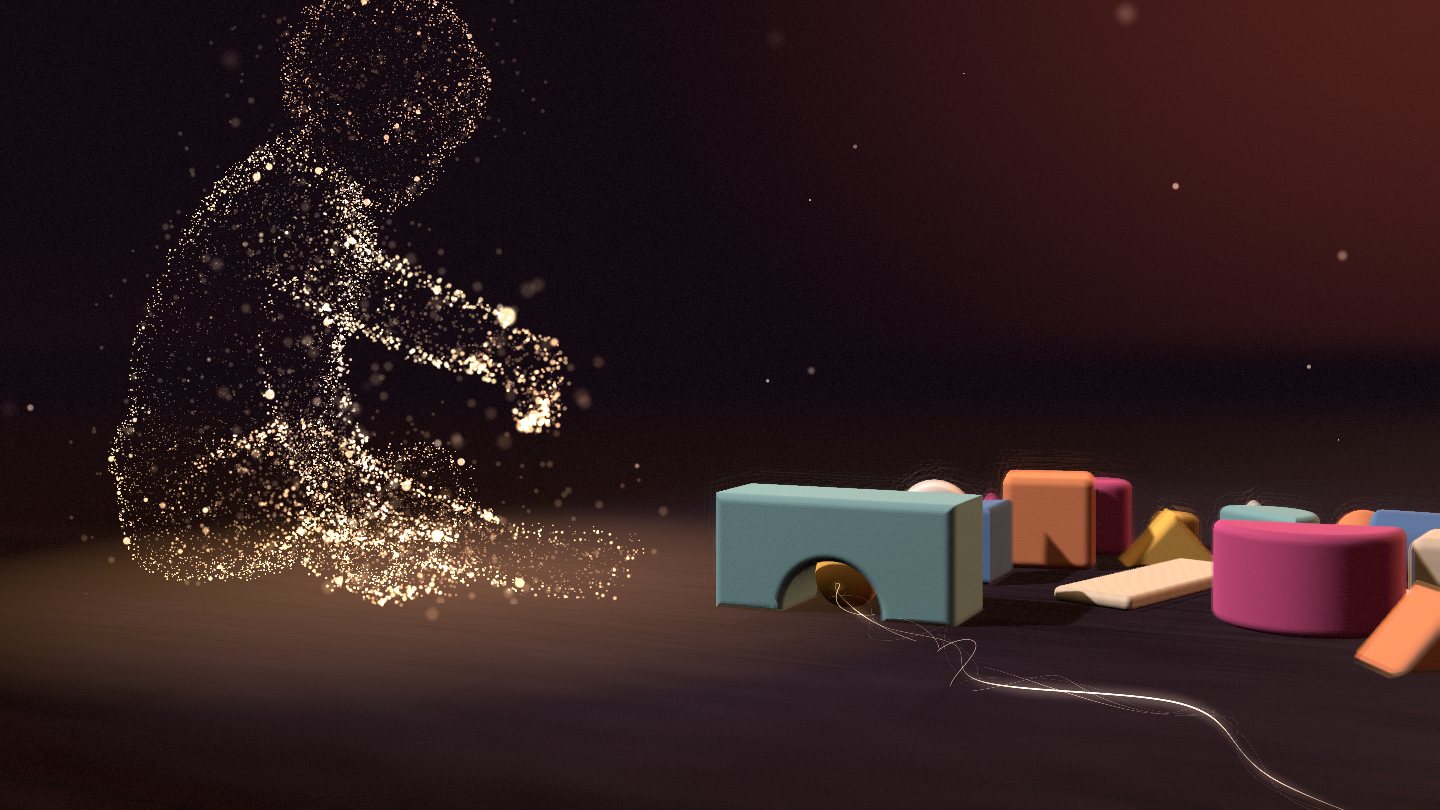
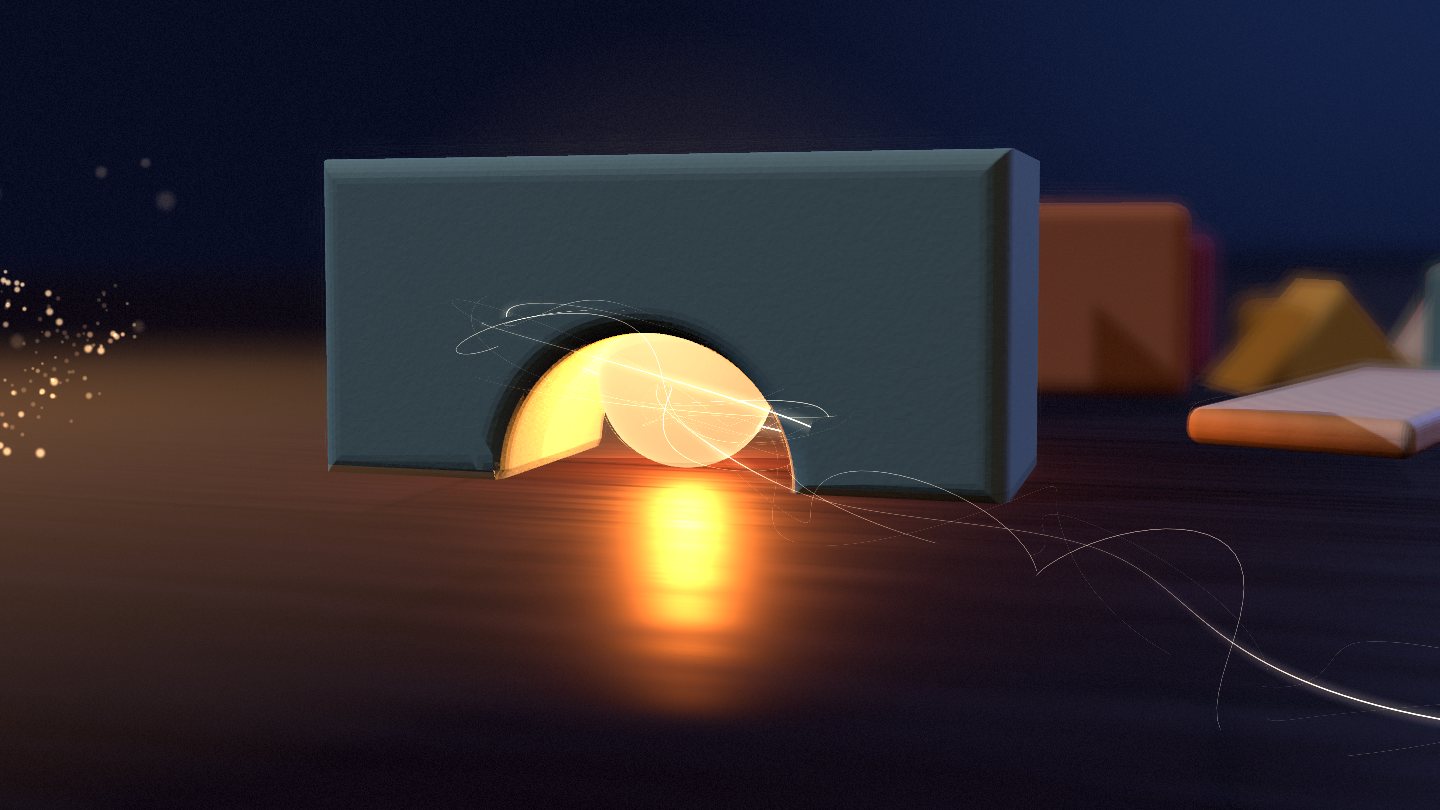
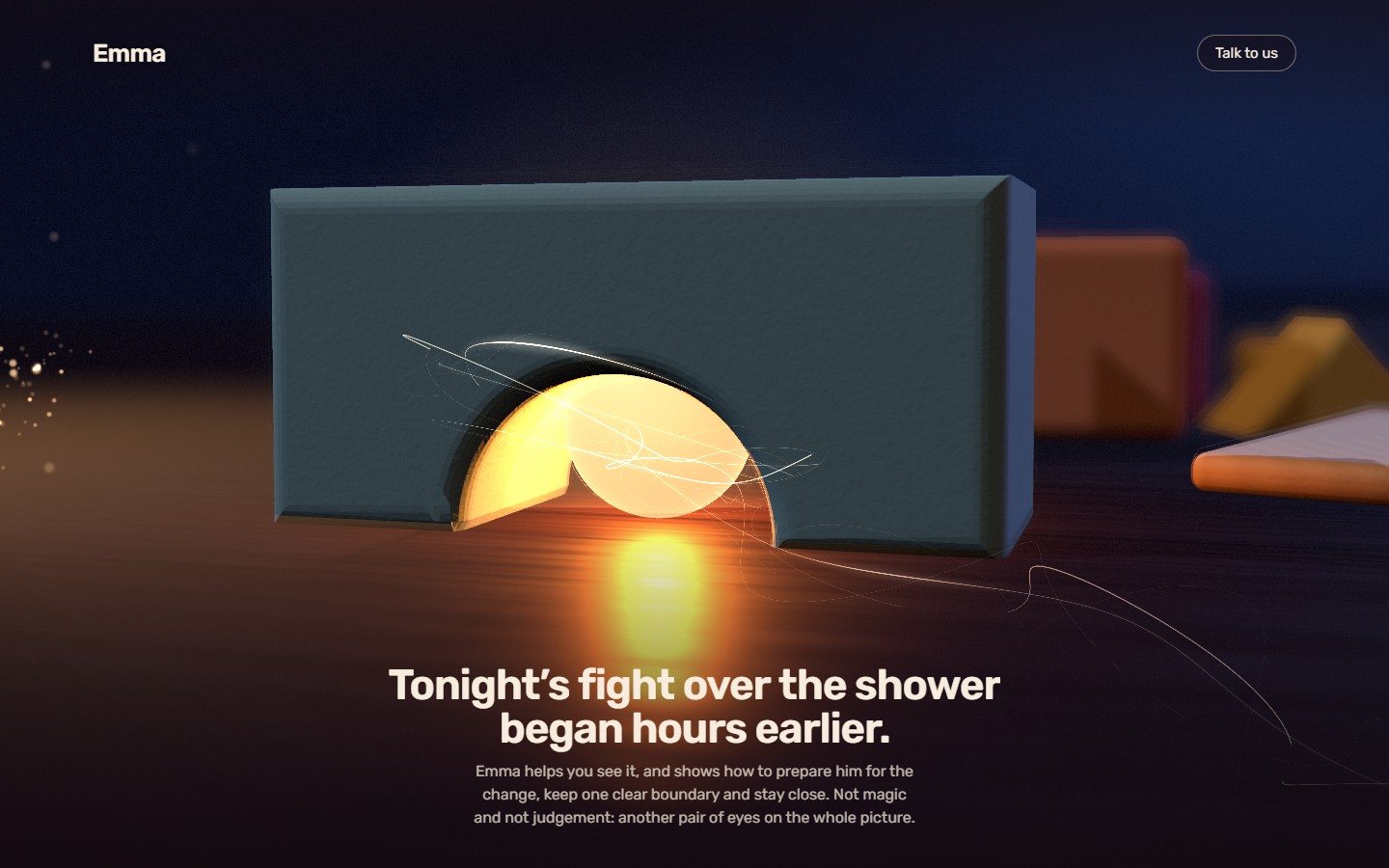
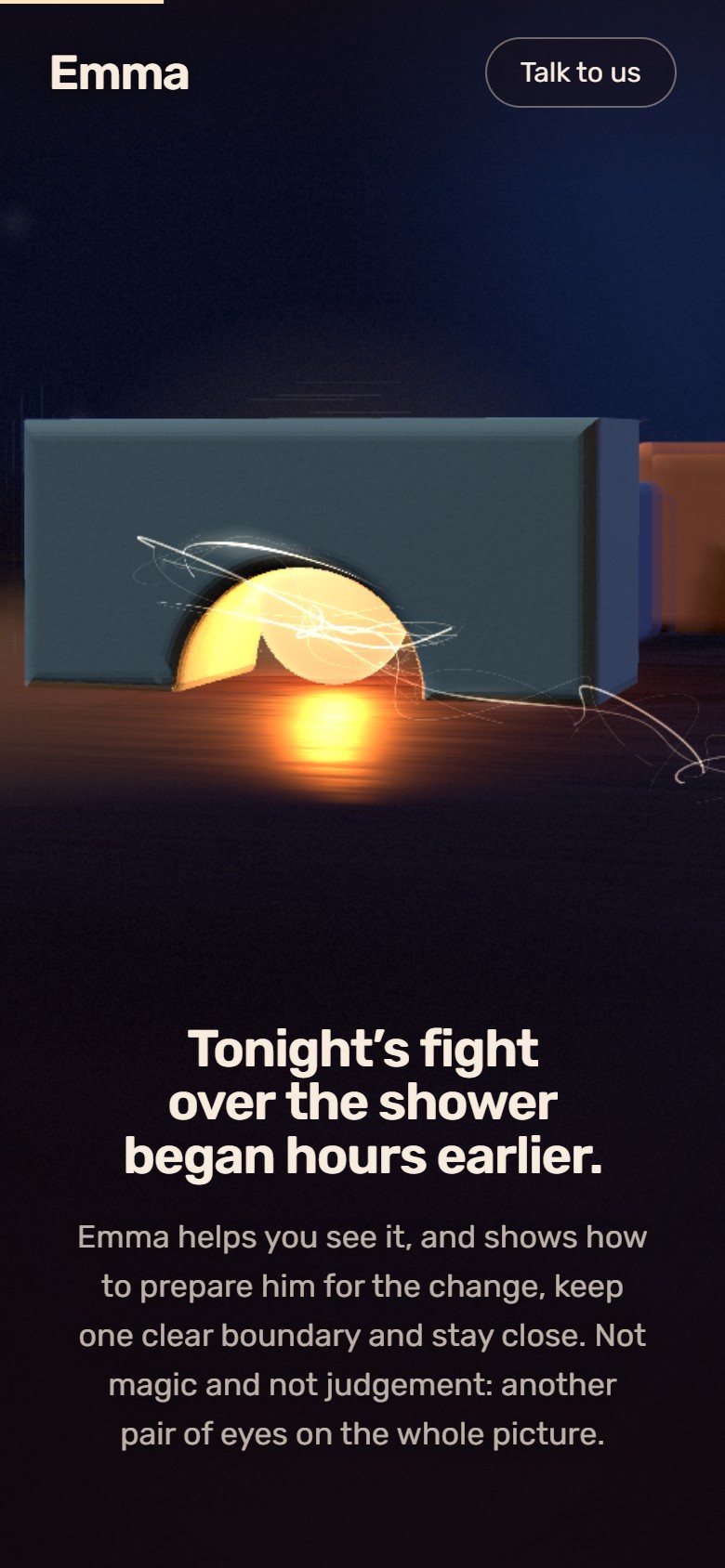
Before anything was built in 3D, we fixed the material: real painted wood on the mulberry ground, an amber ball resting under the arch.
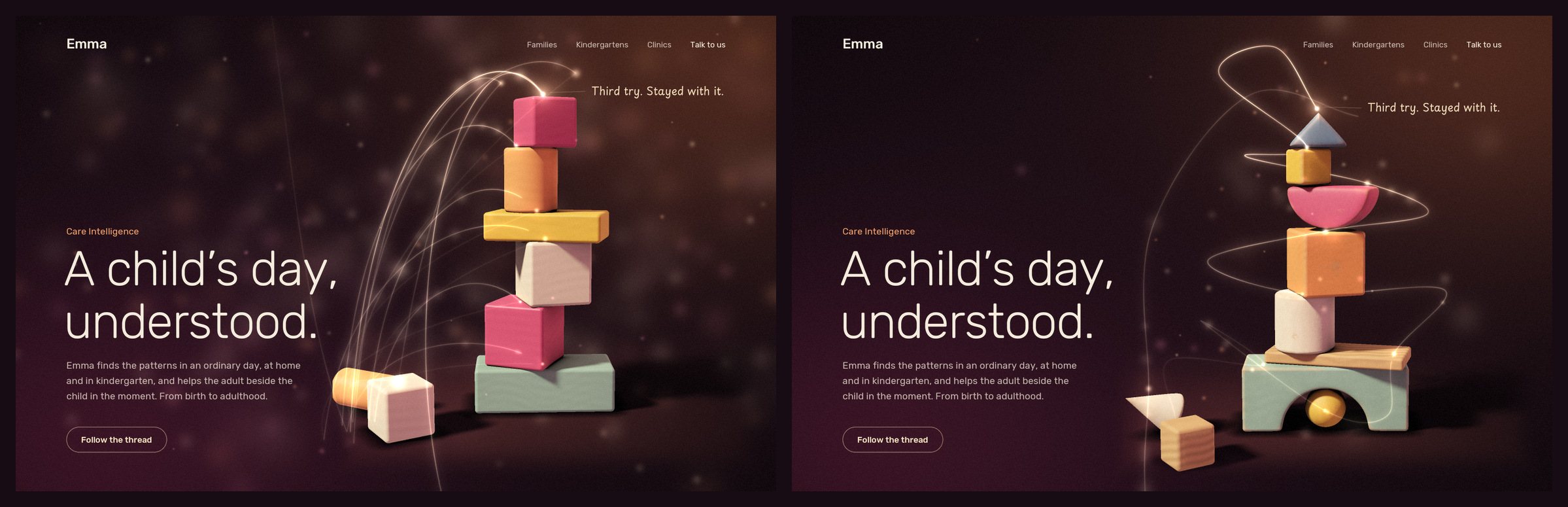
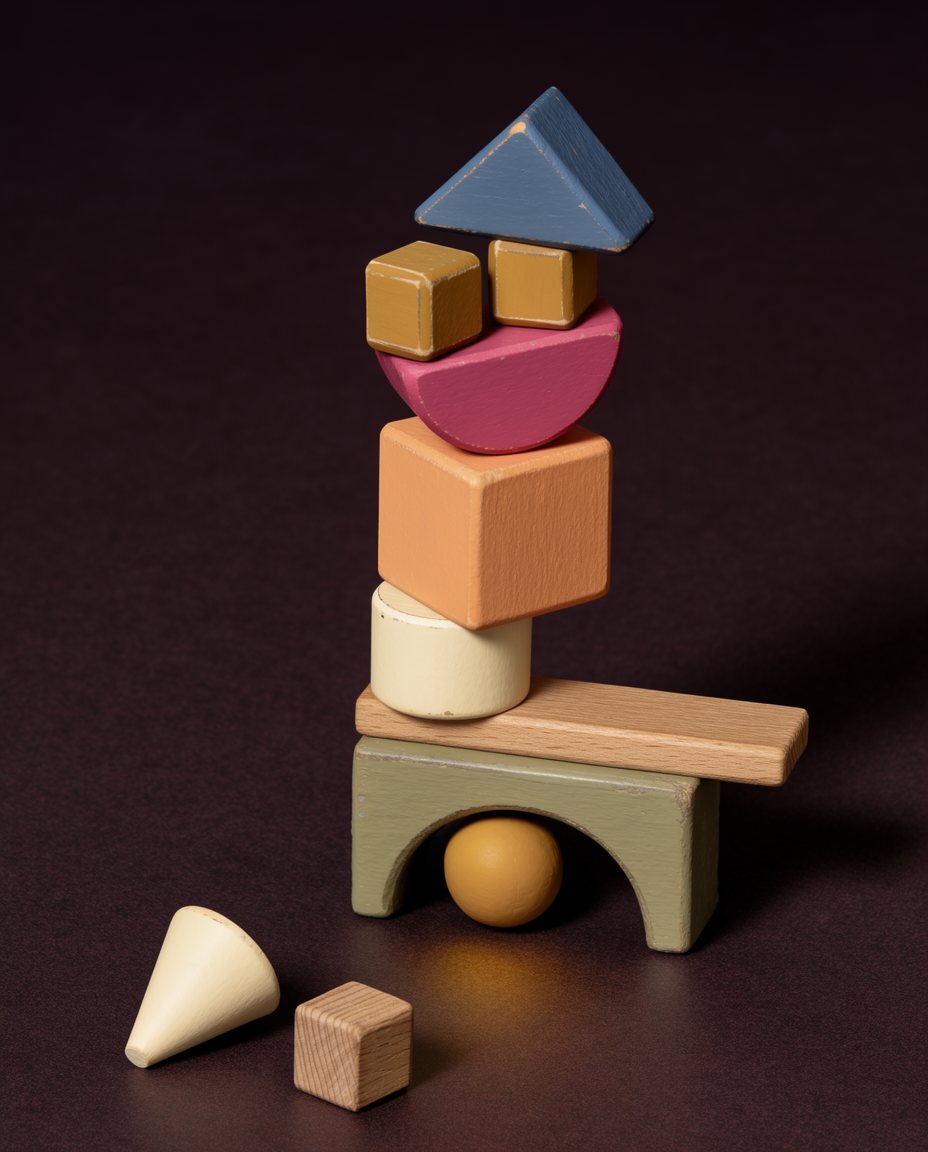
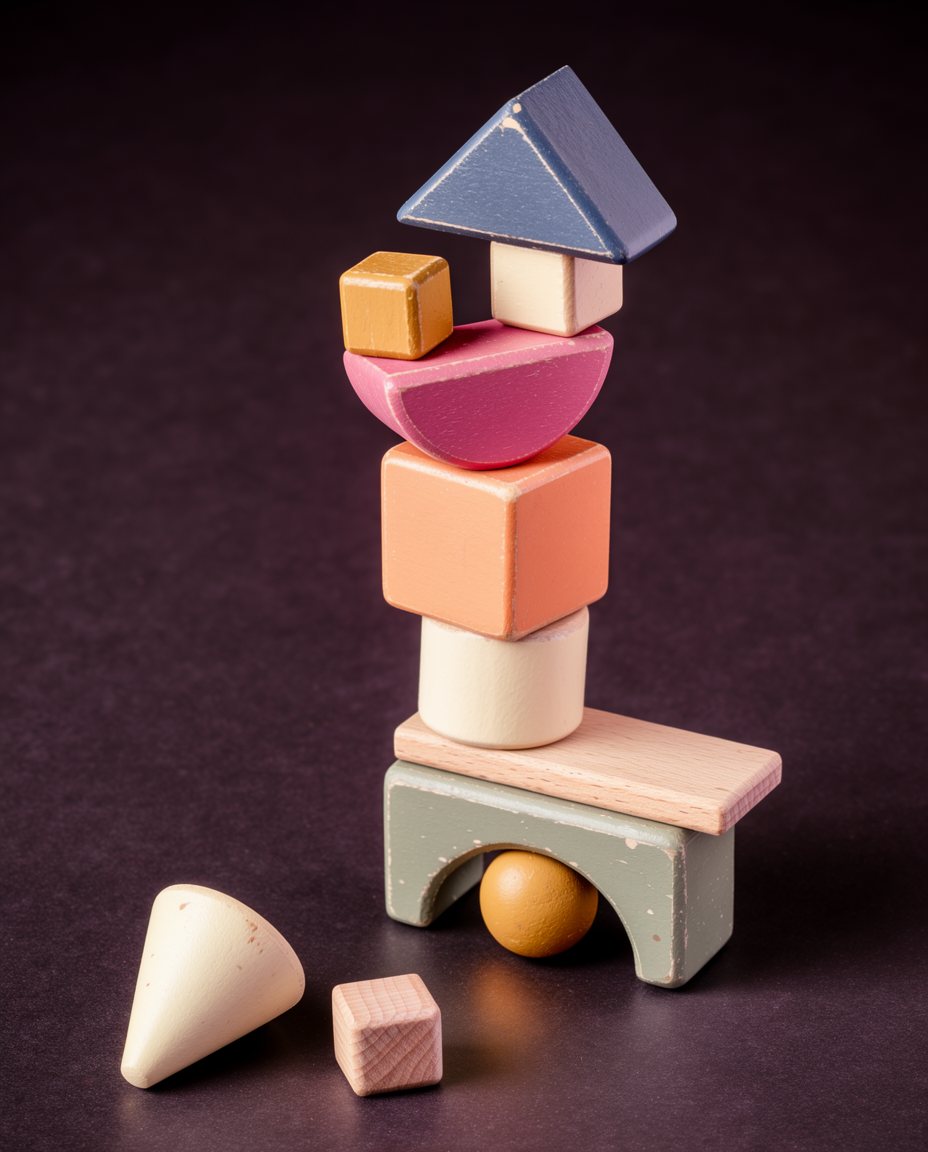
03 · The rough site
The whole story in basic shapes, before any asset.
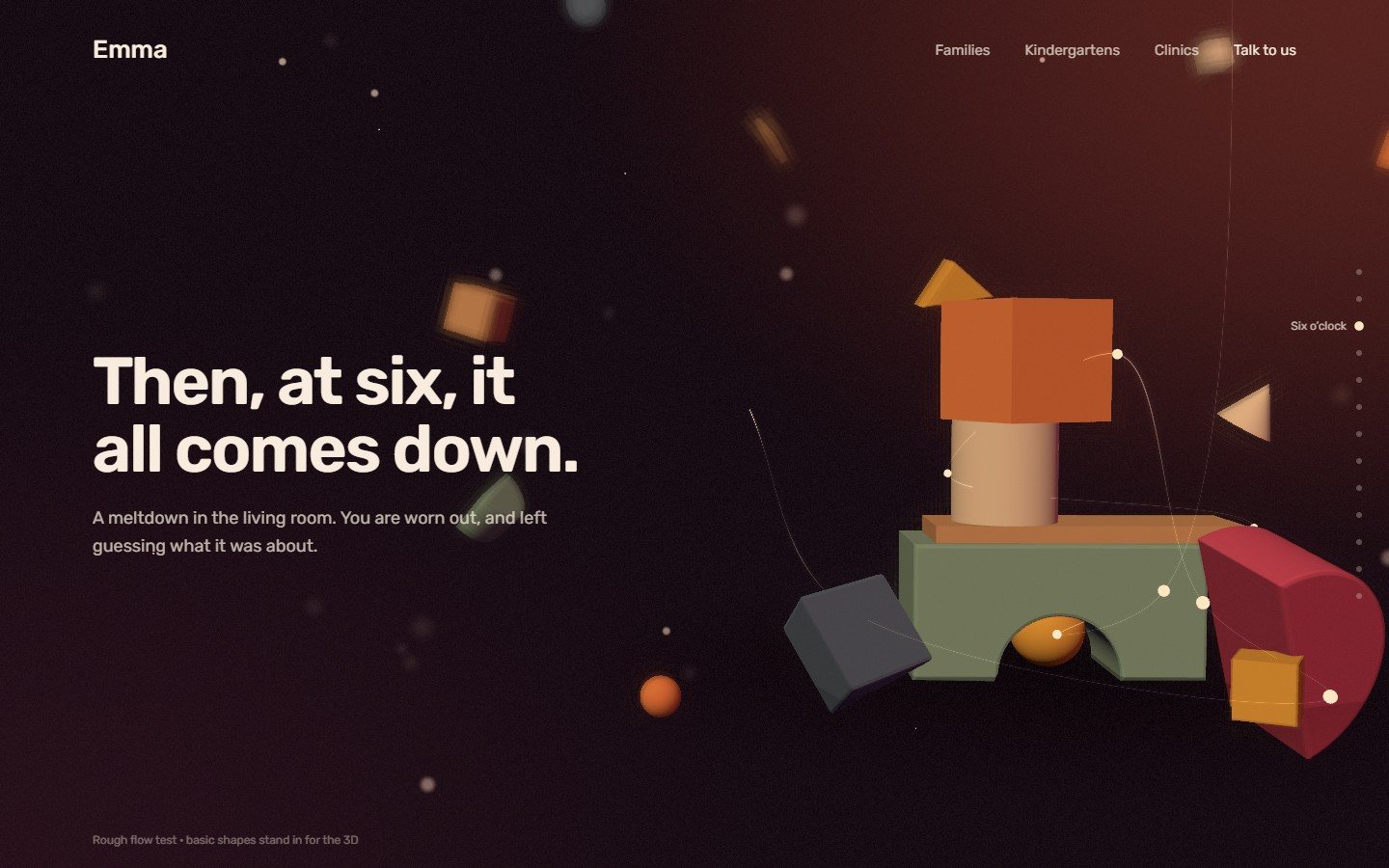
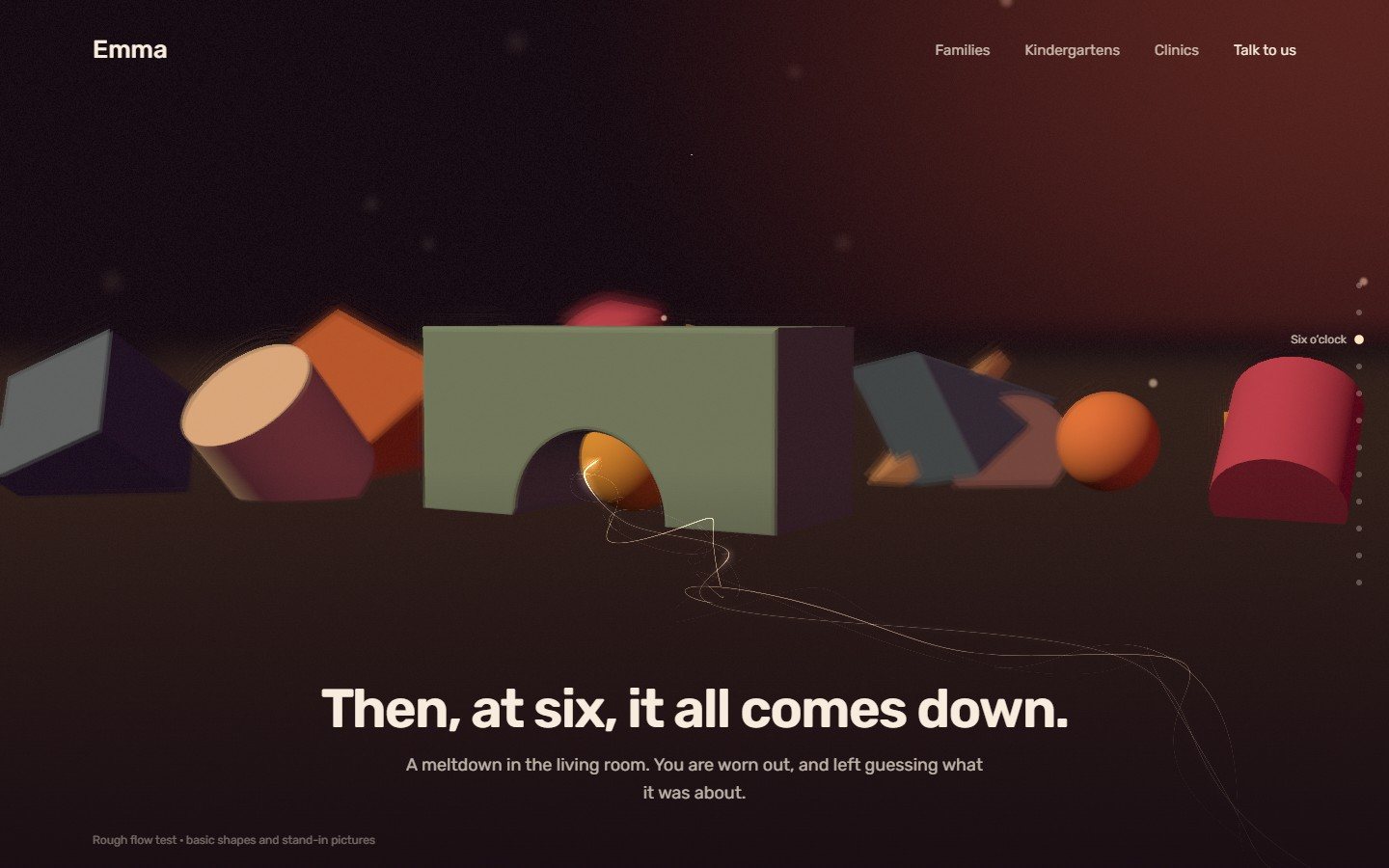
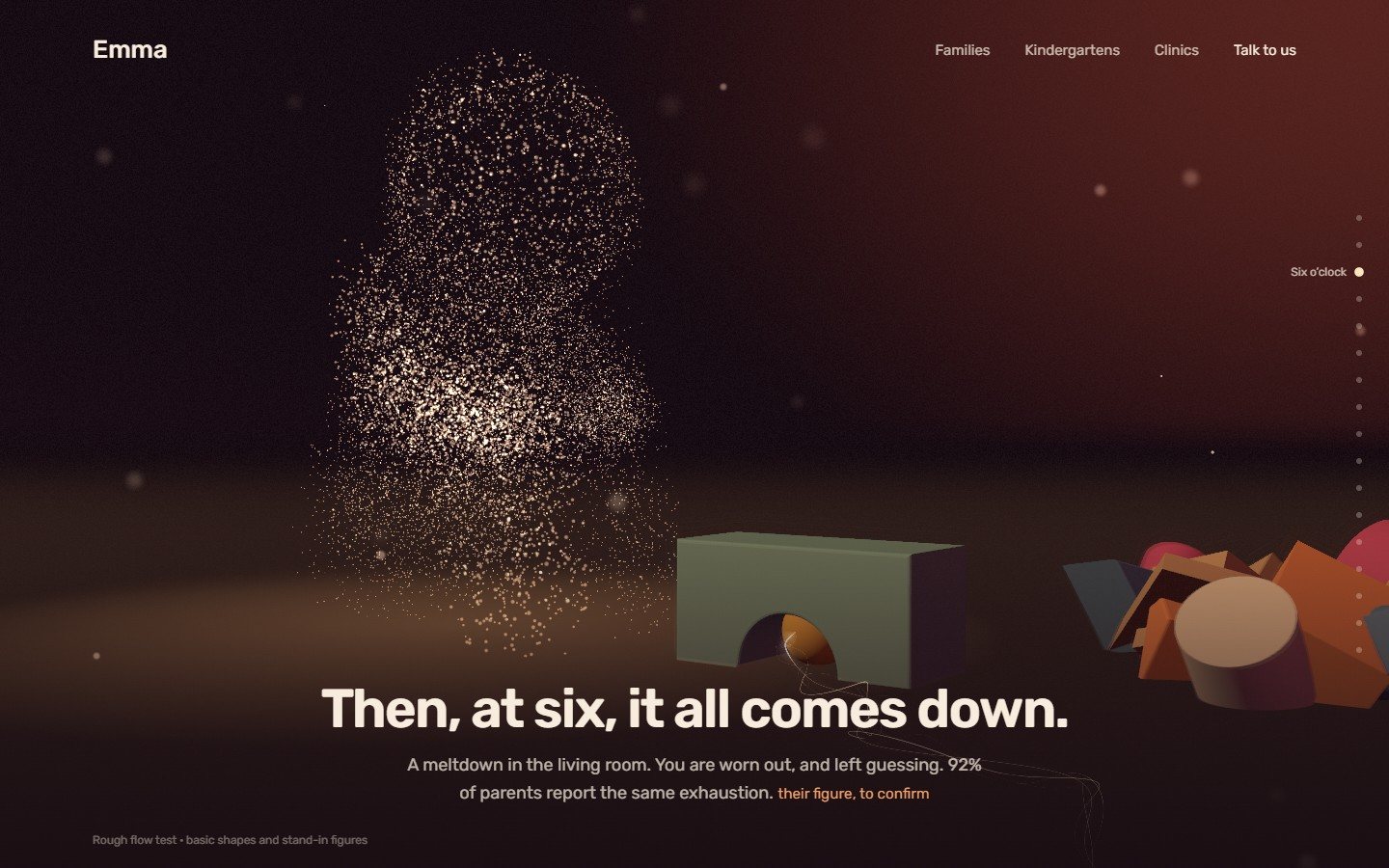
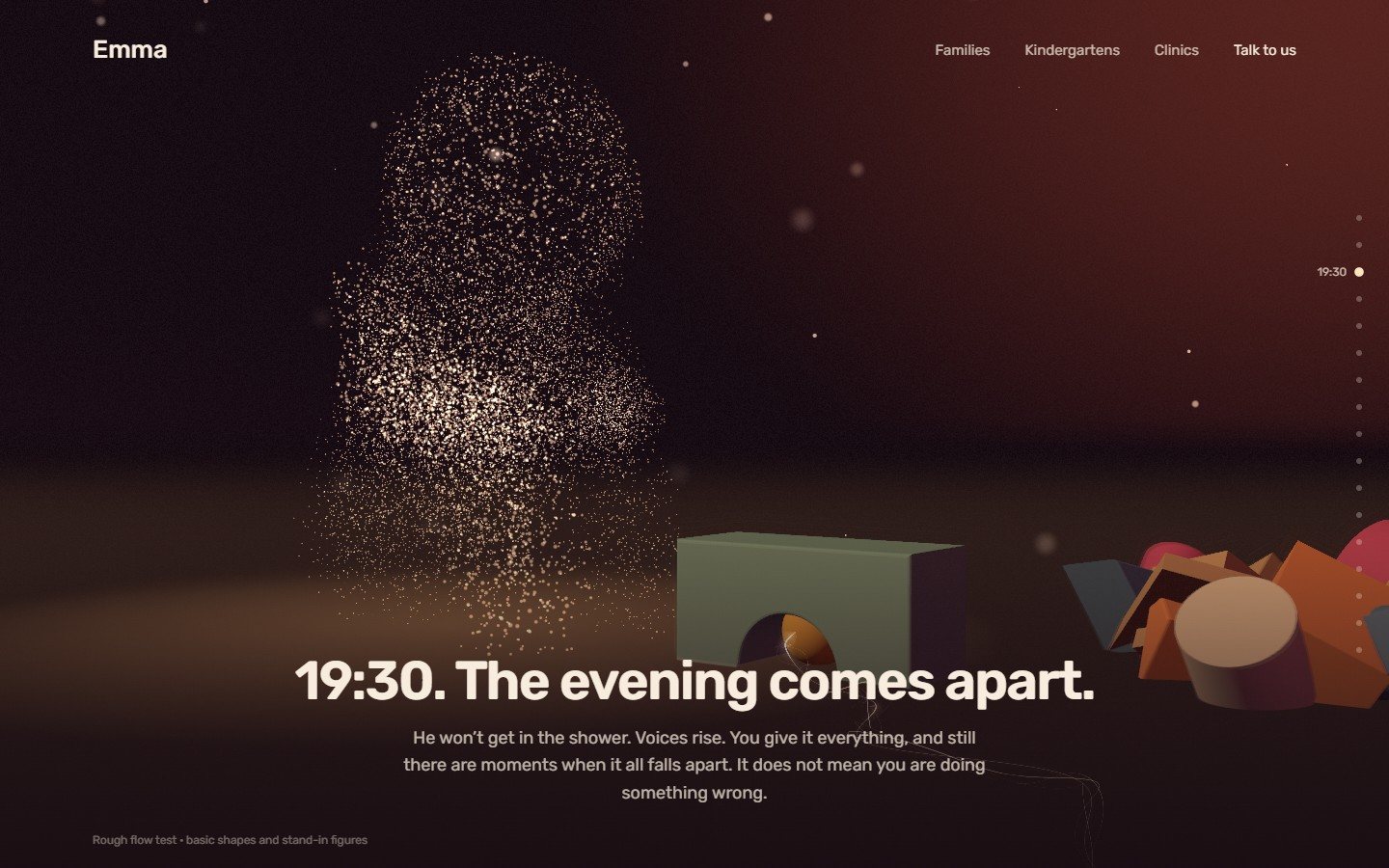
Before making a single finished picture, we built the site nine times in plain blocks, lines and points, to watch the story flow at the speed of a scroll.
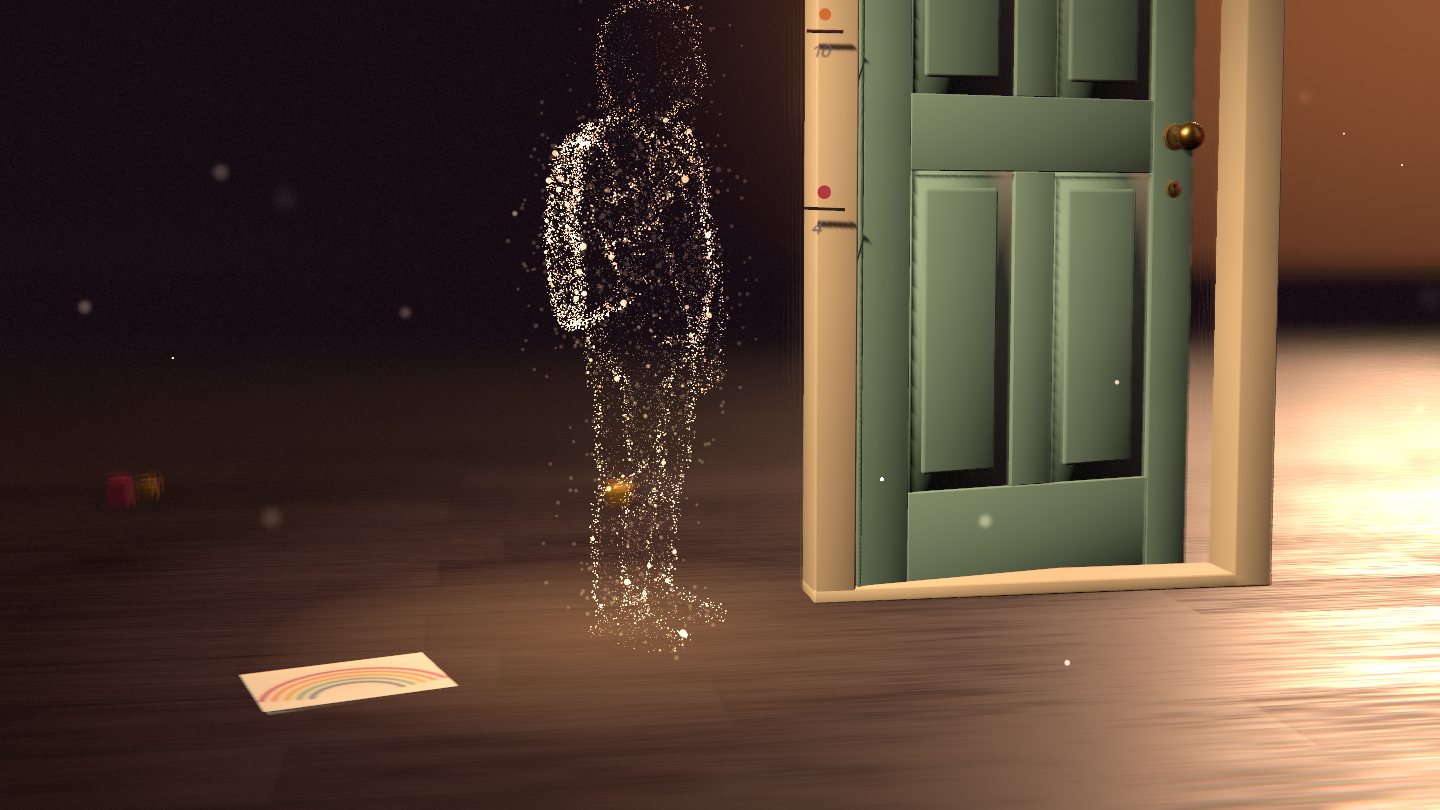
Each version answered one question. Where the camera goes. When the words change. How one scene becomes the next. Version five tried a slanted wipe, and we replaced it with a transition of our own. Version six brought in the figures of light. Version nine fixed the scroll, and production started from it.
04 · The idea
Emma sees the whole day, so you understand the moment.
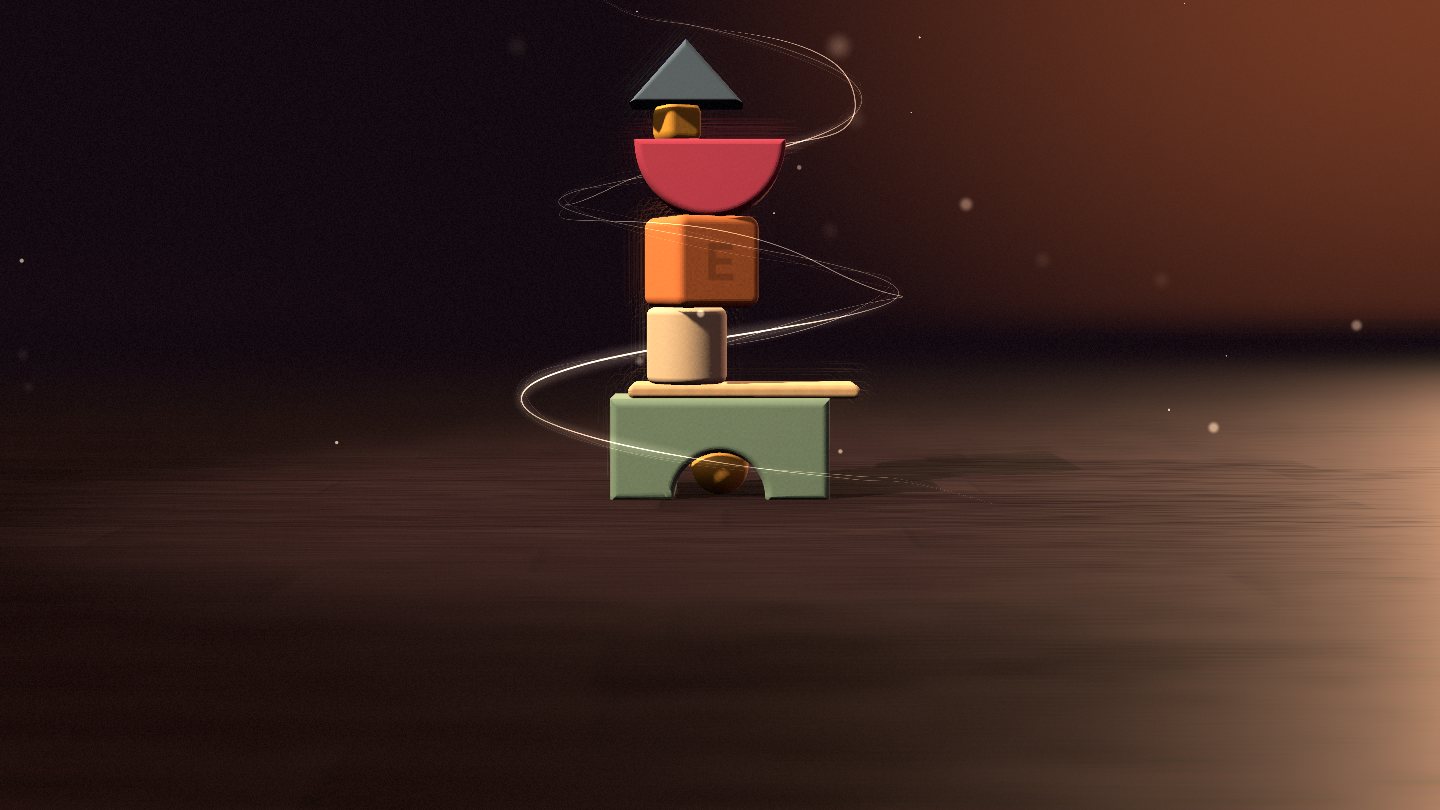
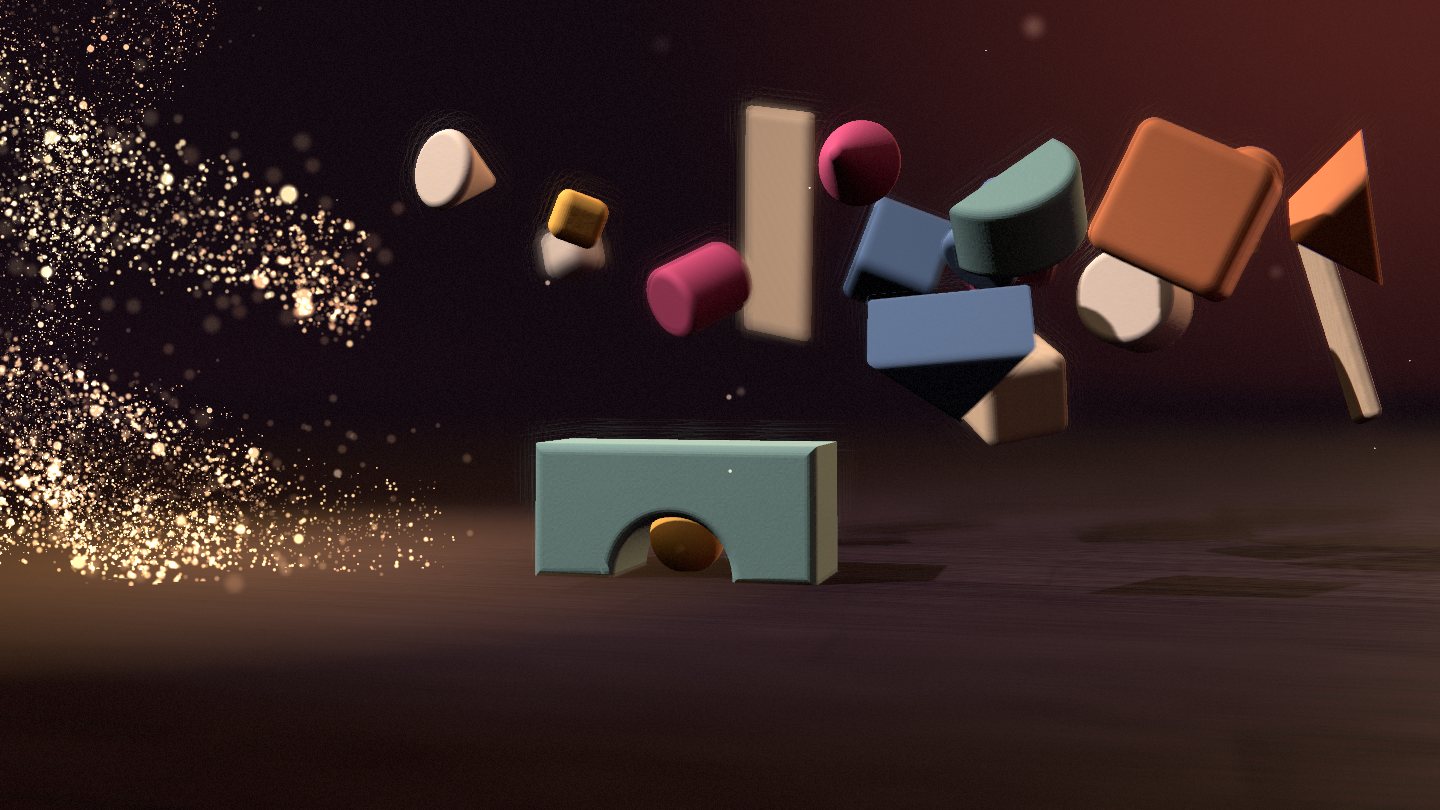
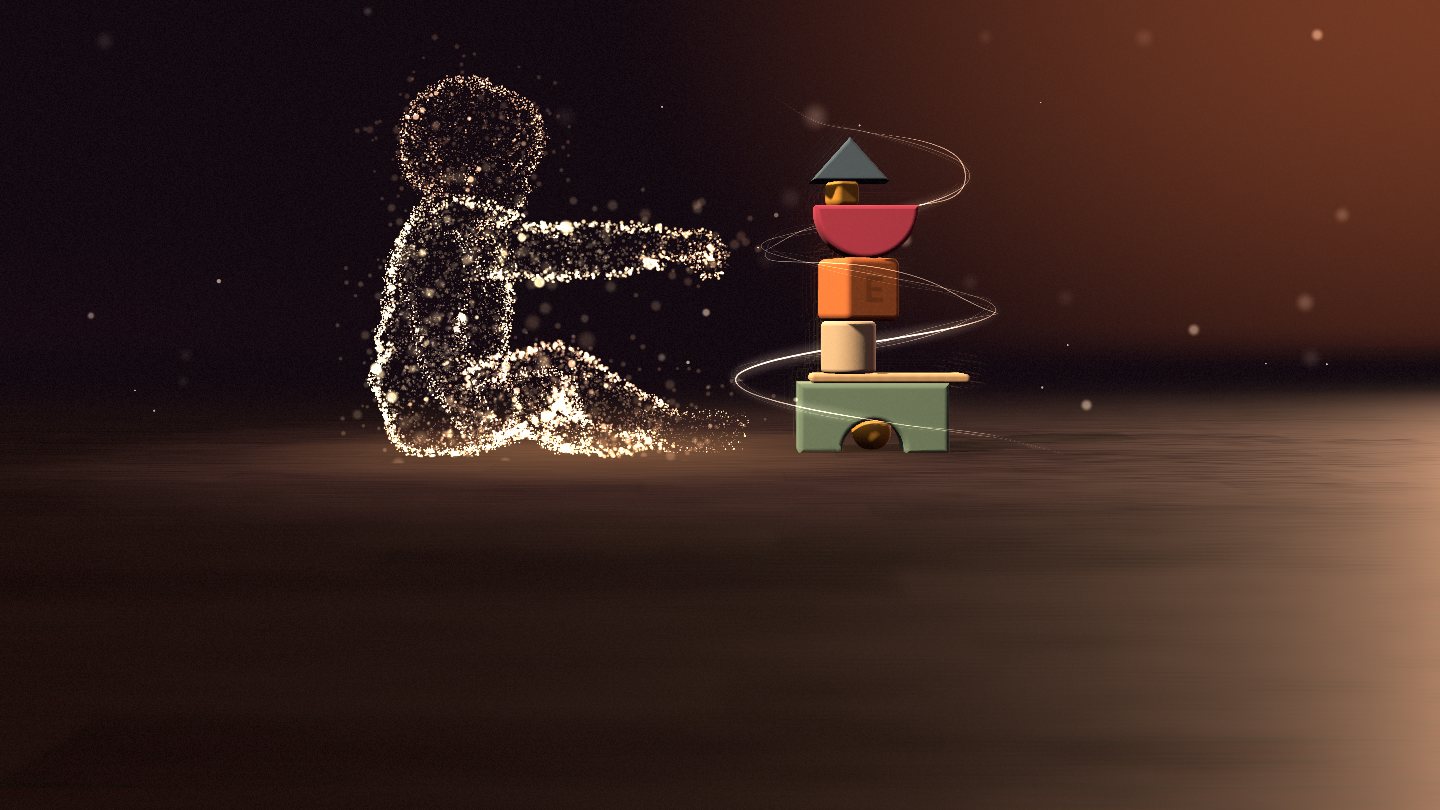
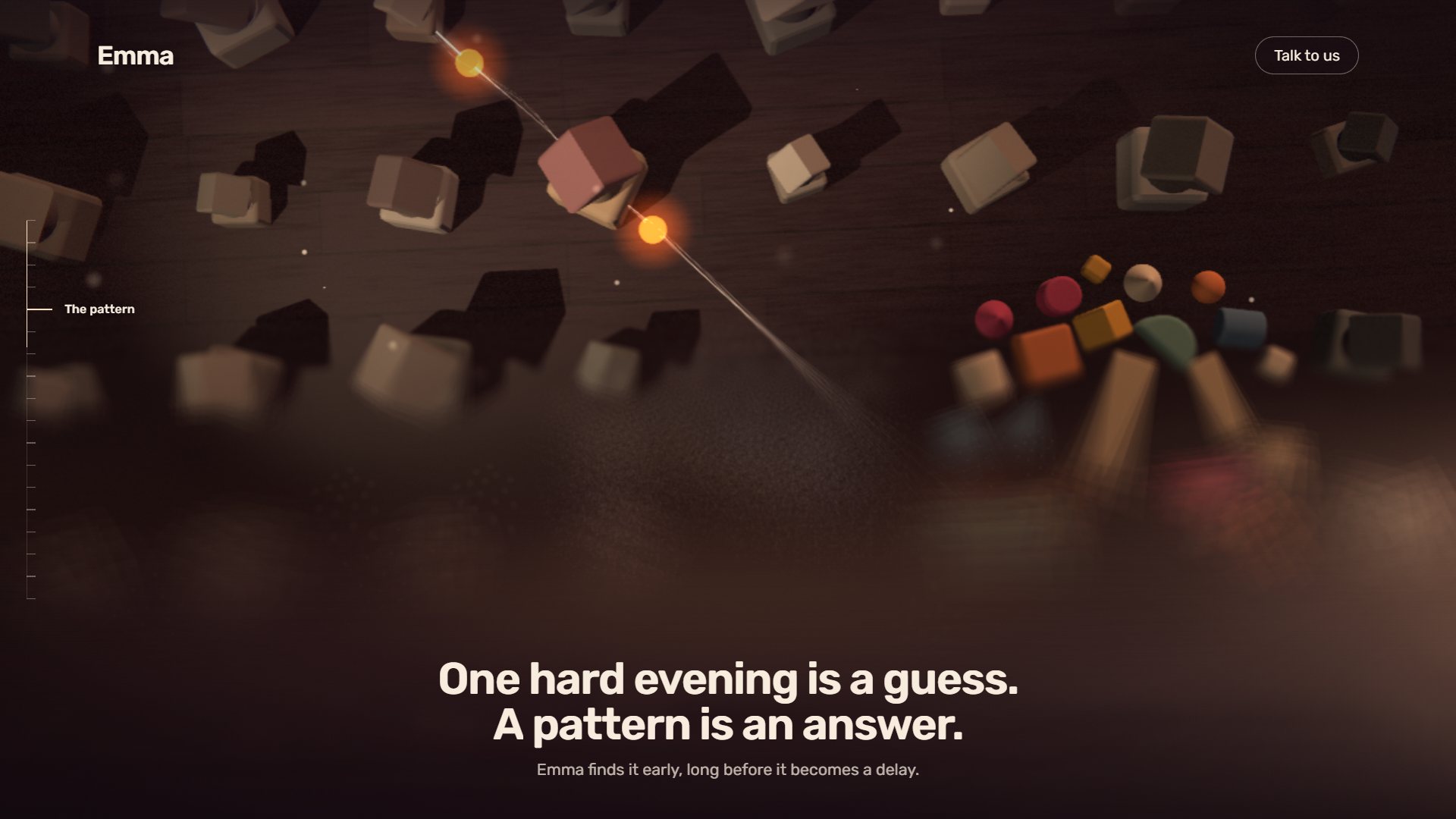
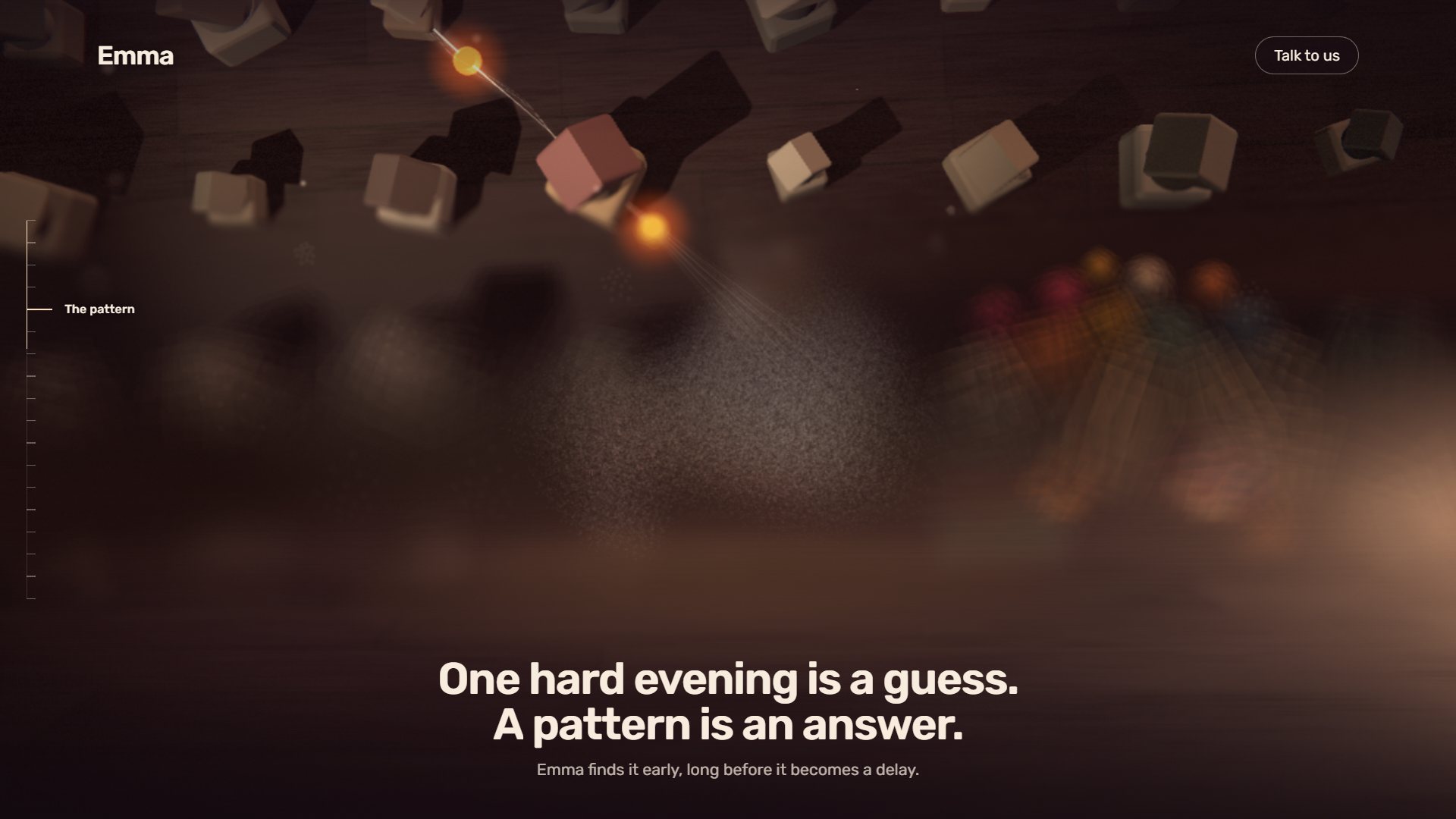
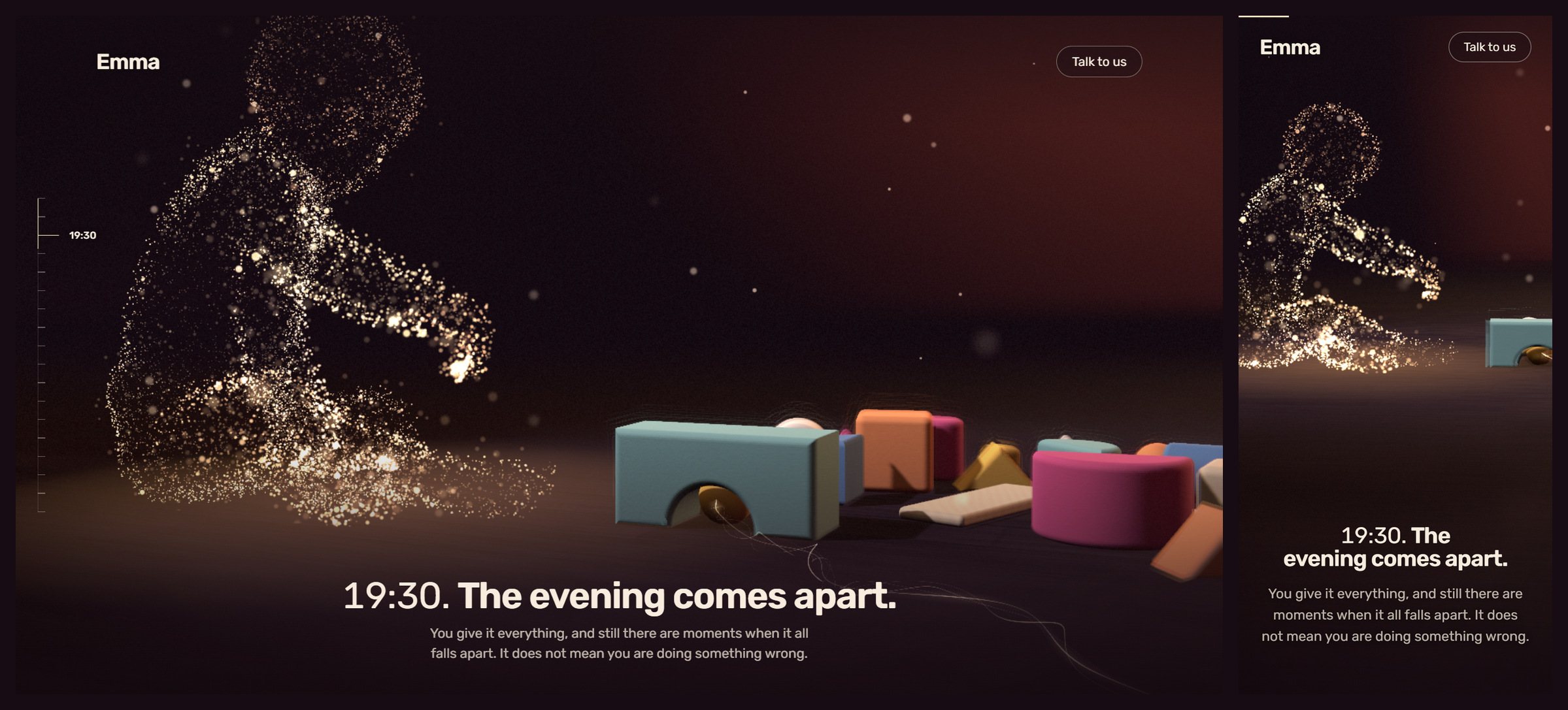
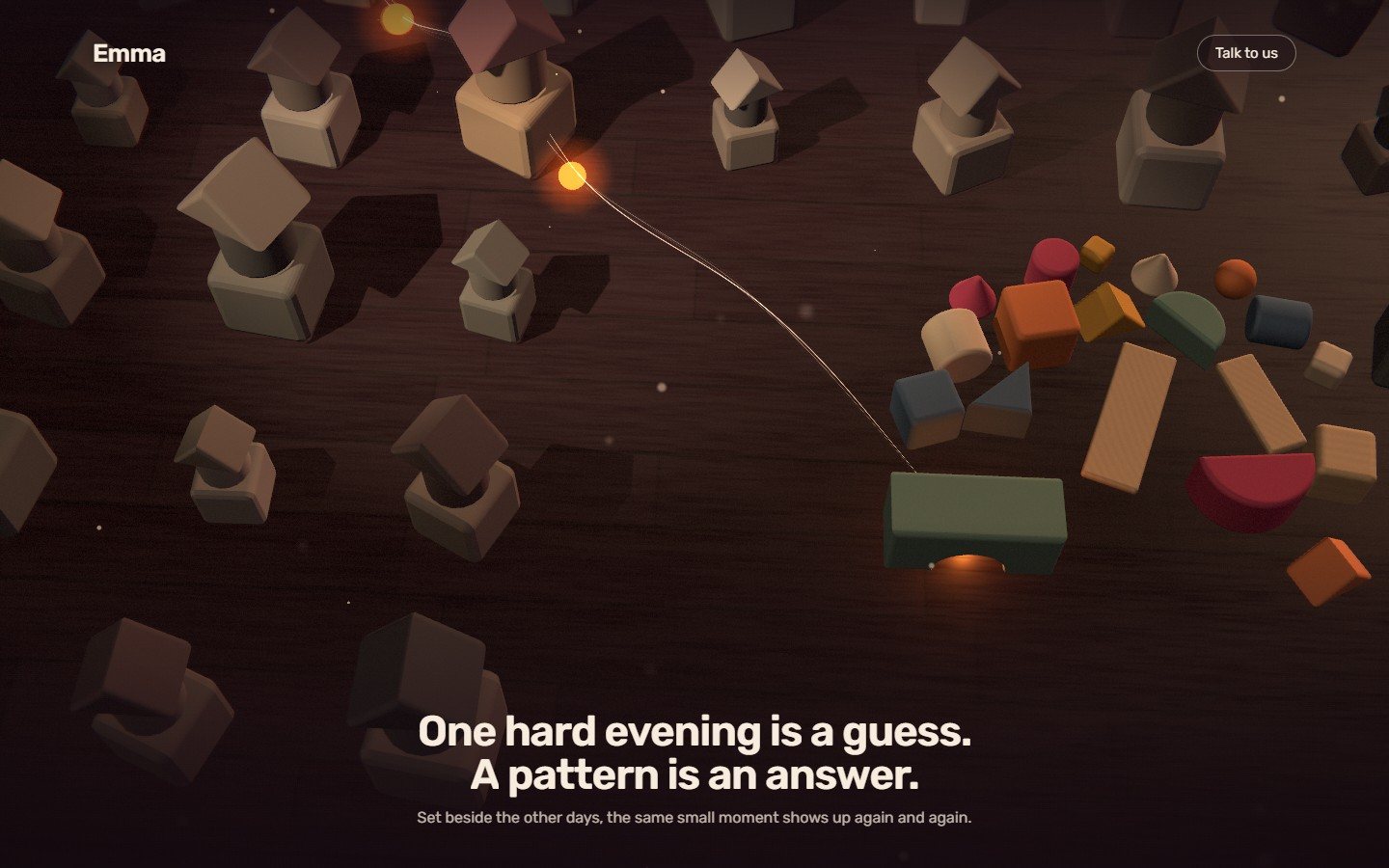
The site is one chain of scenes, each made by the last. The day's moments hang in the air, come down and stand as a tower. At 19:30 the tower falls.
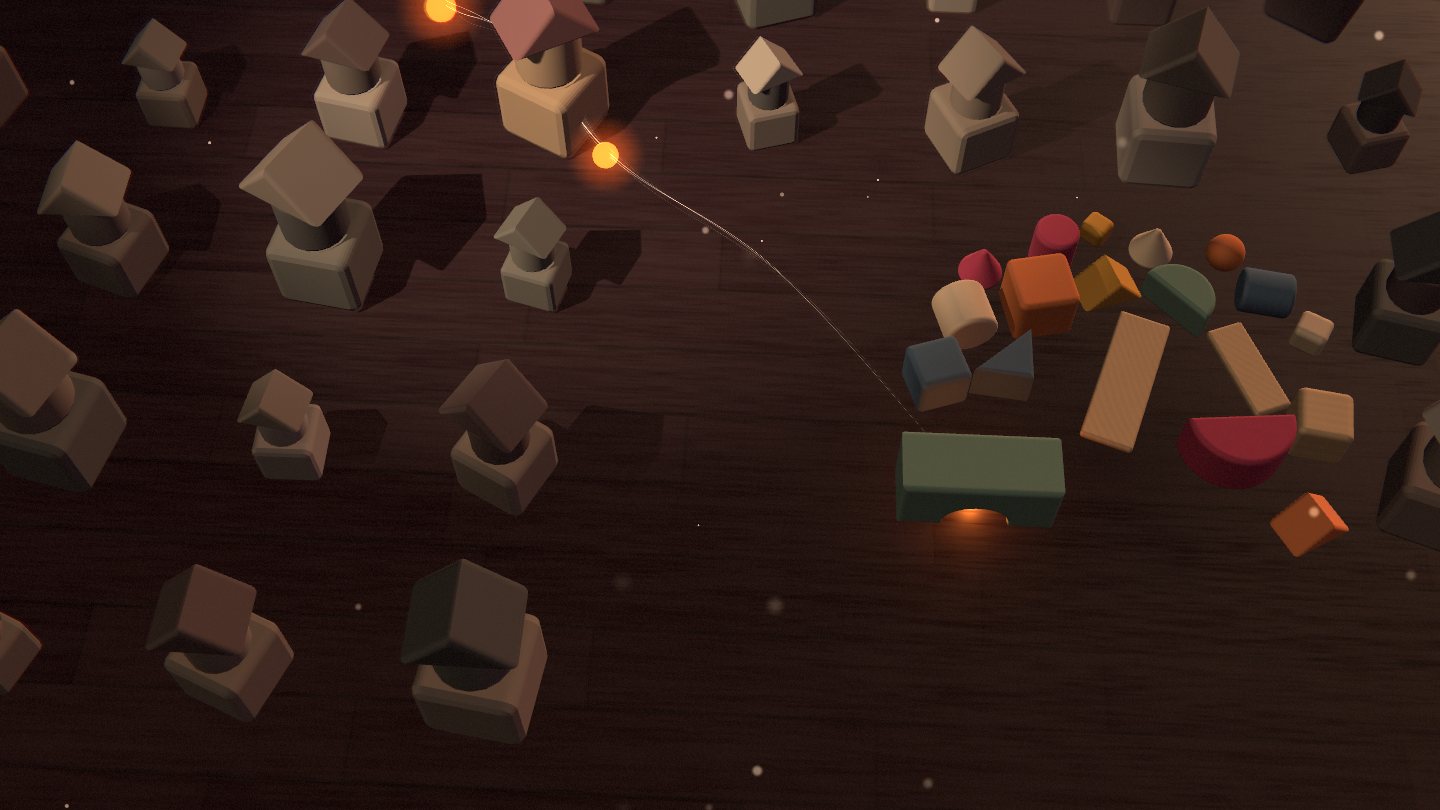
The camera goes inside, under the fallen arch, to a small amber ball: the place where the evening began, hours earlier. Pulling back, that day is one of many laid out across a floor of days, and one strand of light joins them.
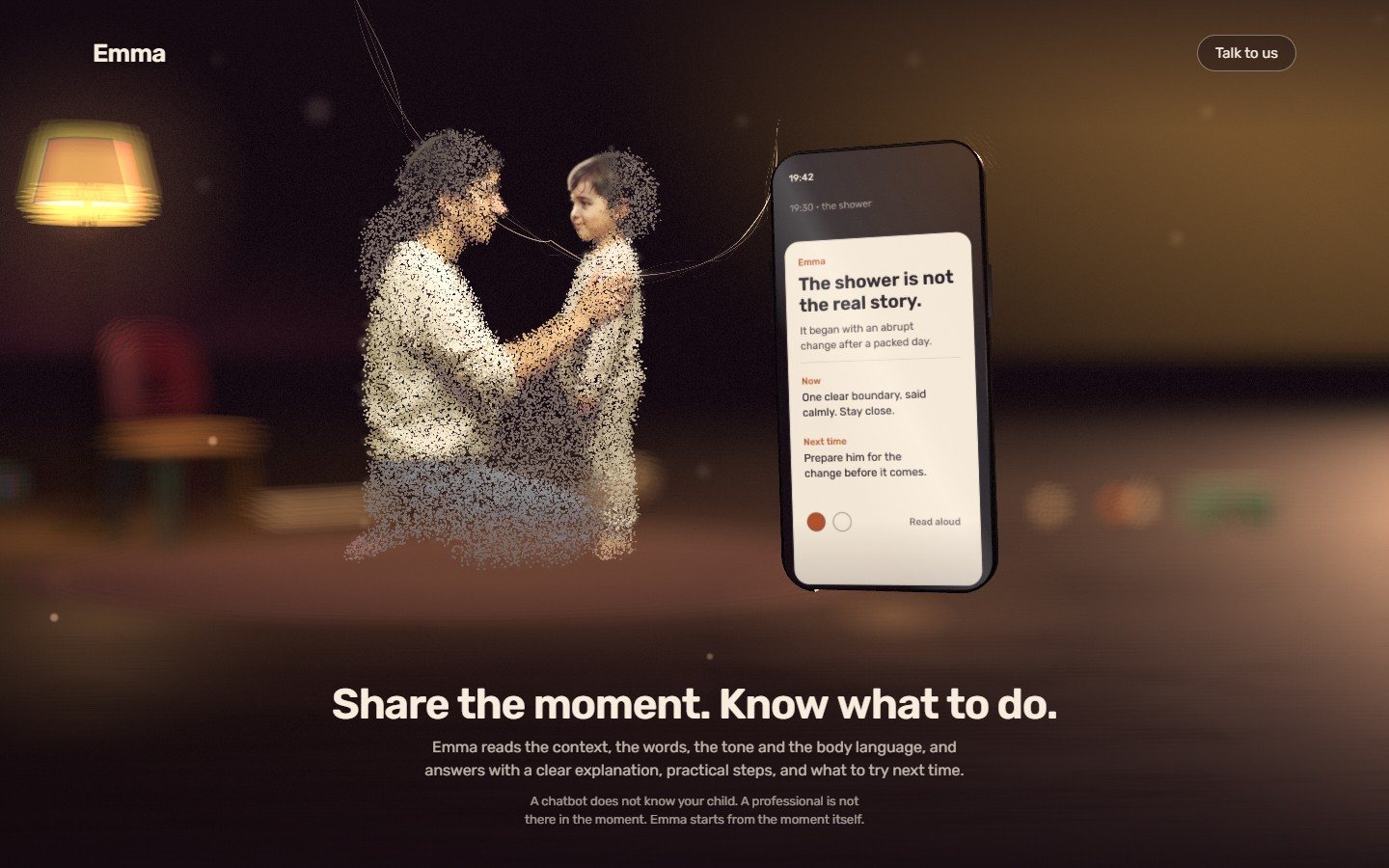
The amber ball is there from the first scenes and pays off here. The evening is Emma's own example: a fight over the shower that started with a packed afternoon.
05 · The made things
Simple forms, real light.
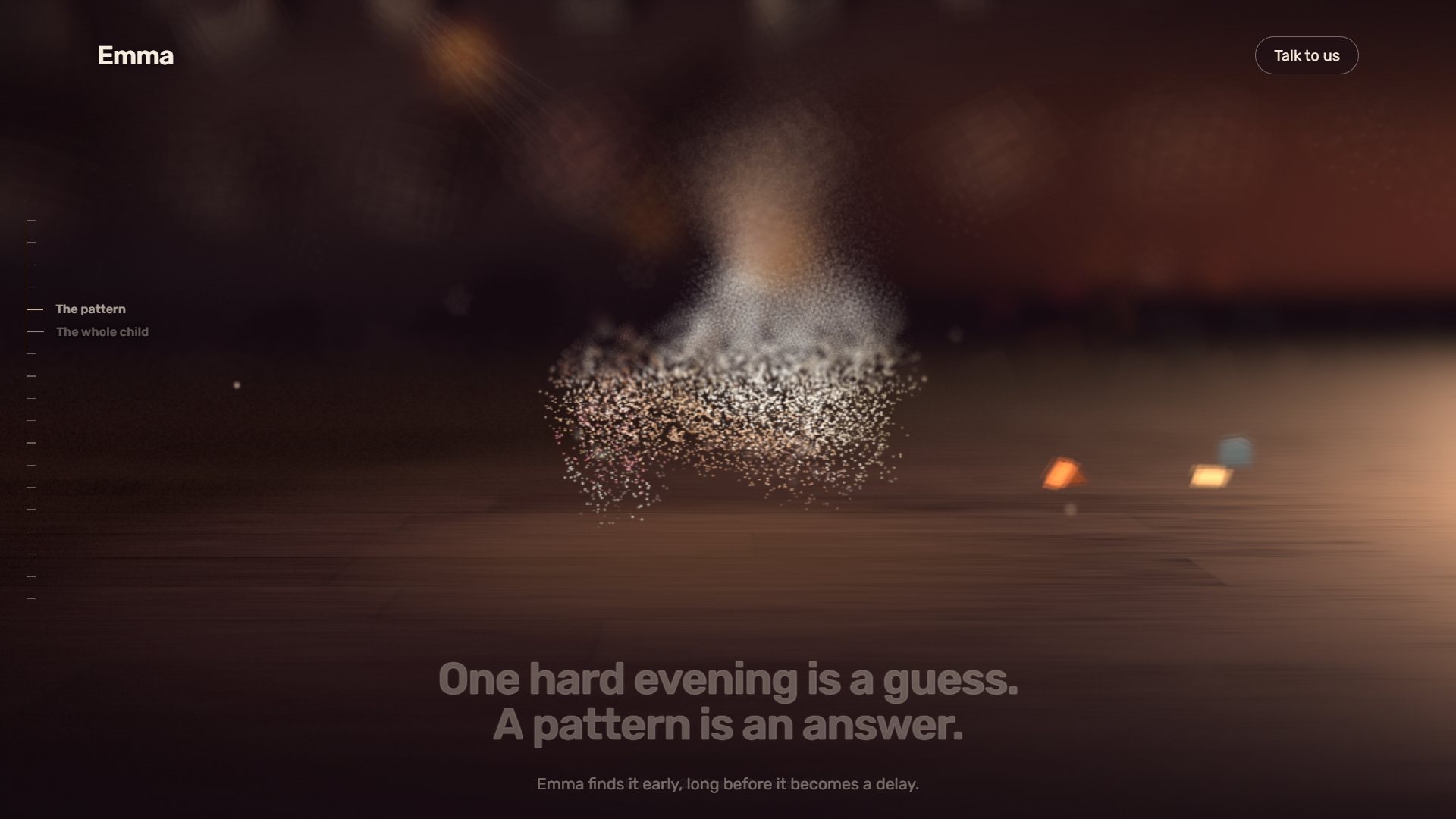
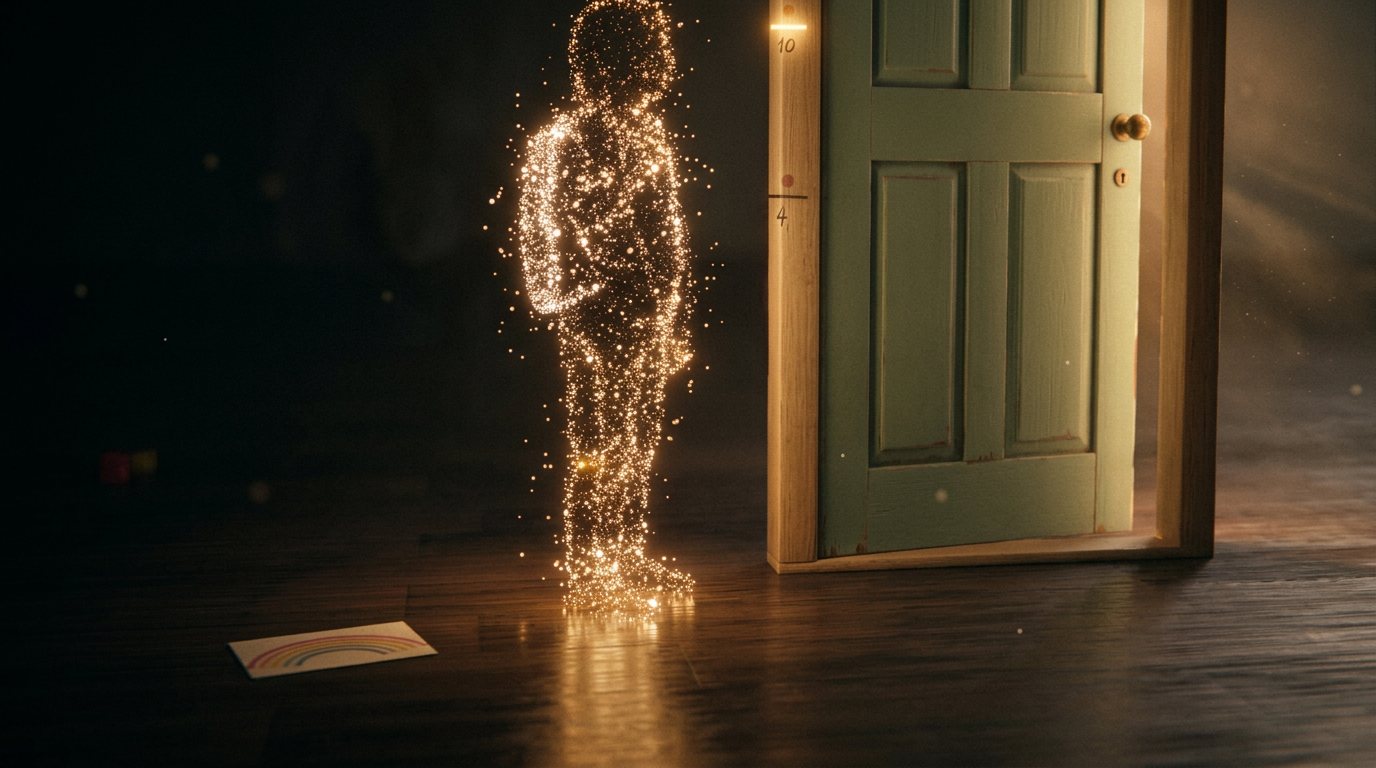
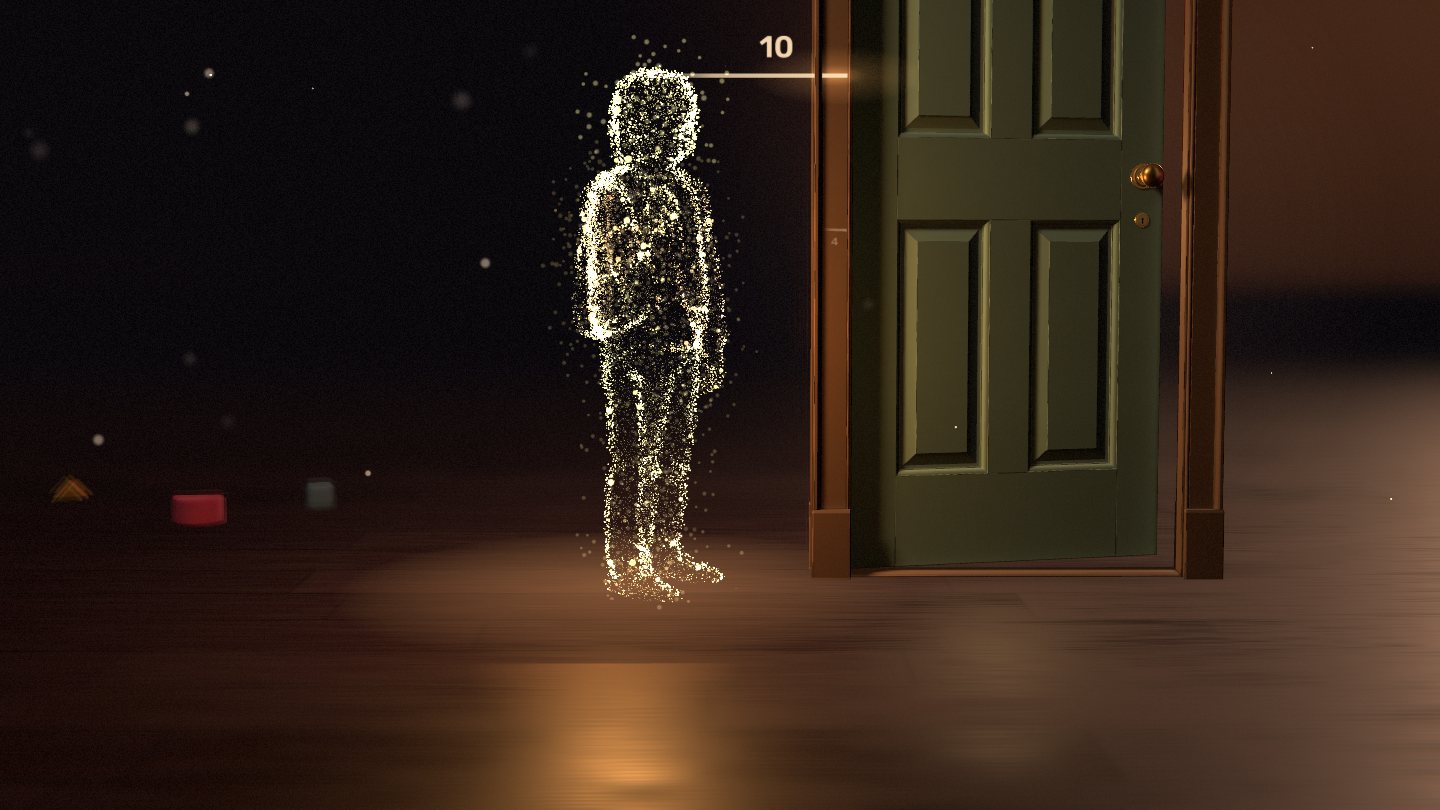
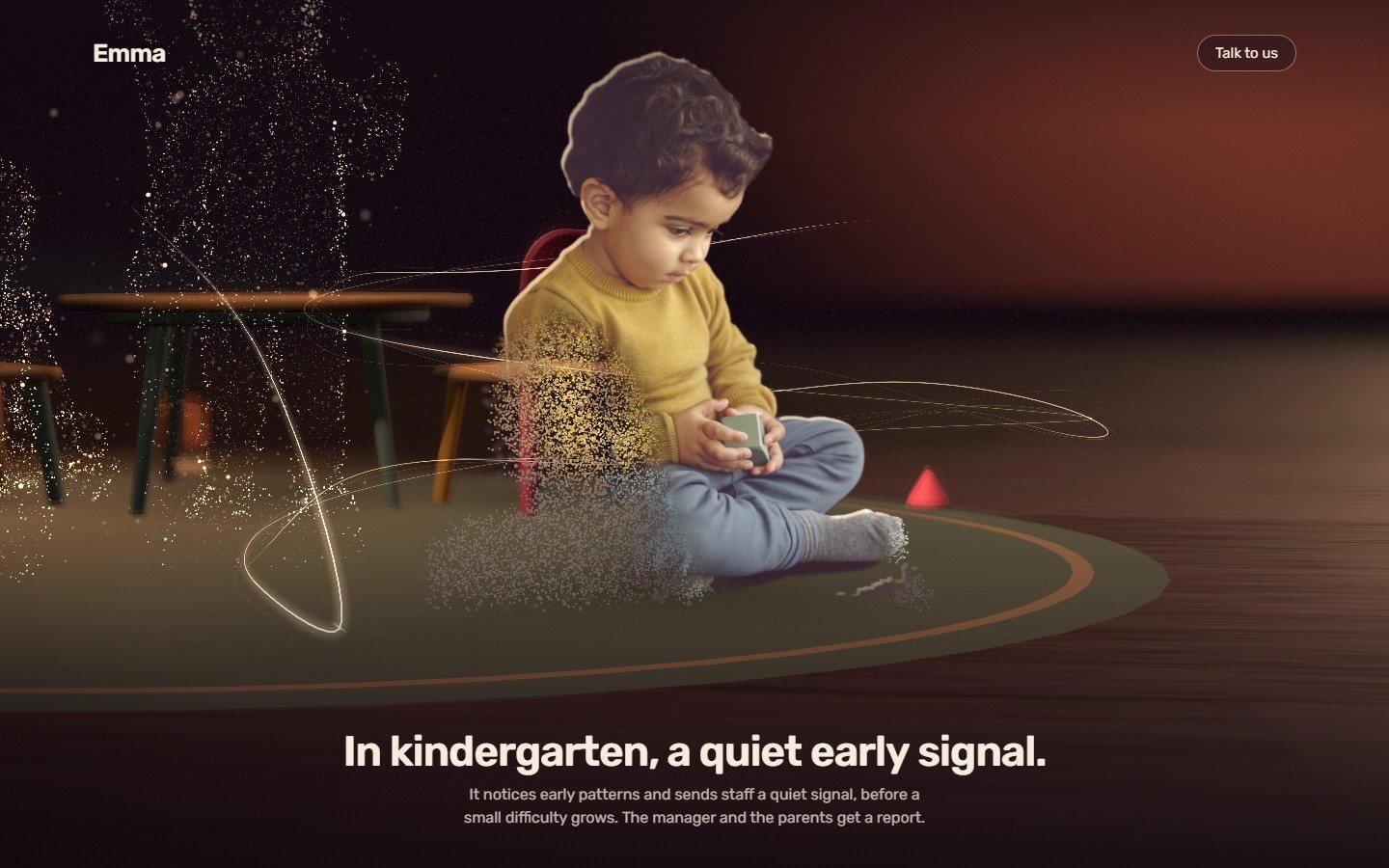
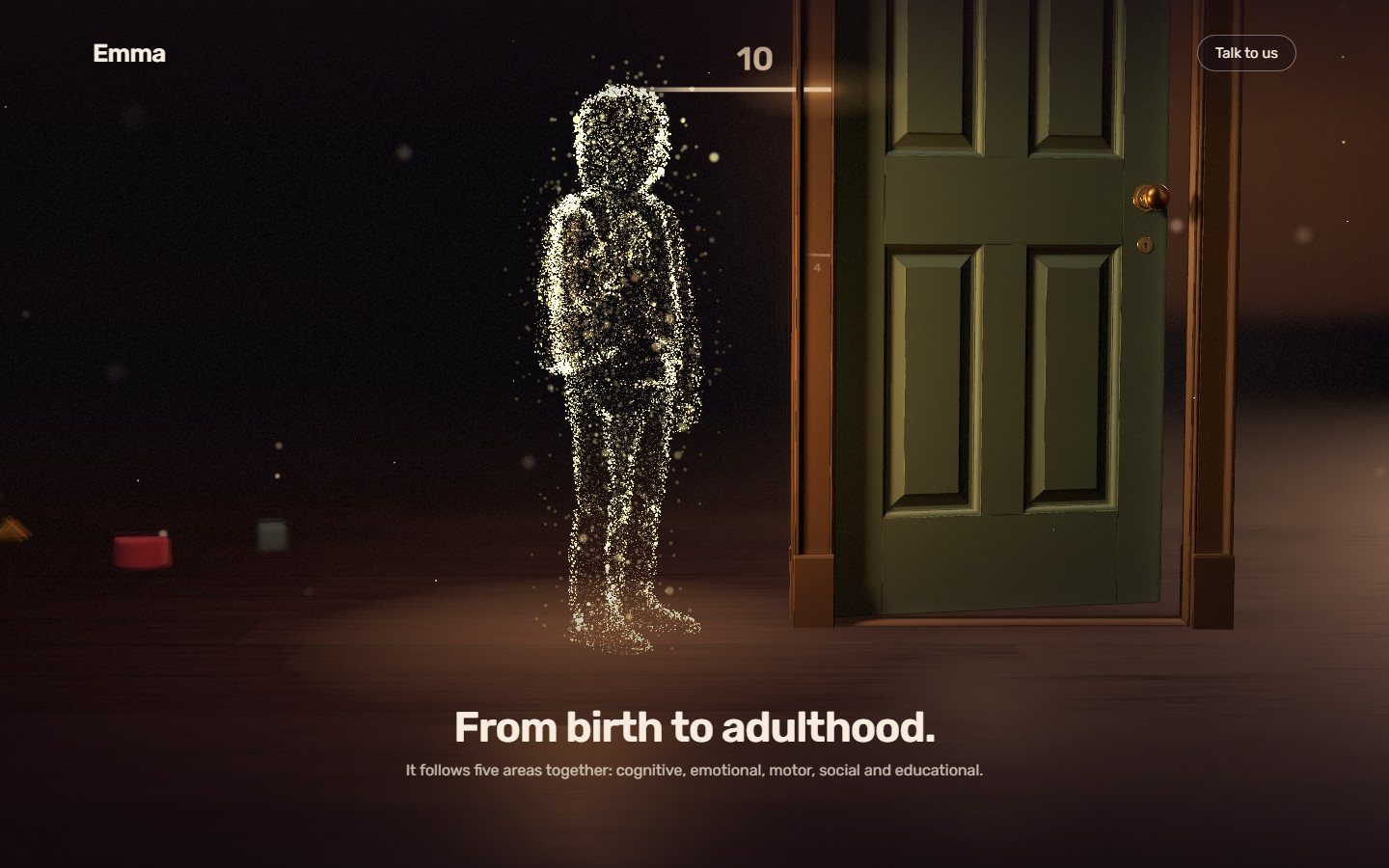
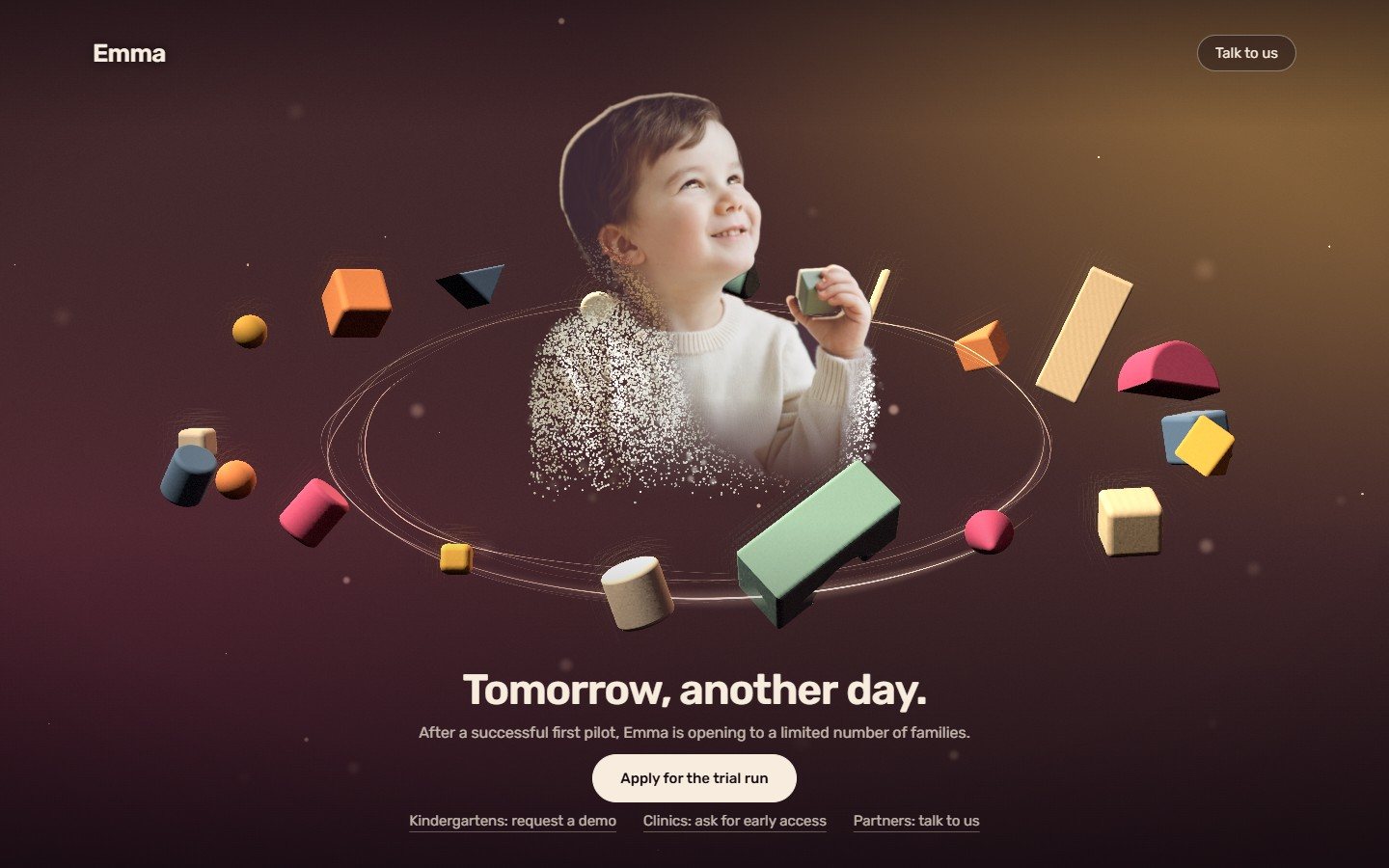
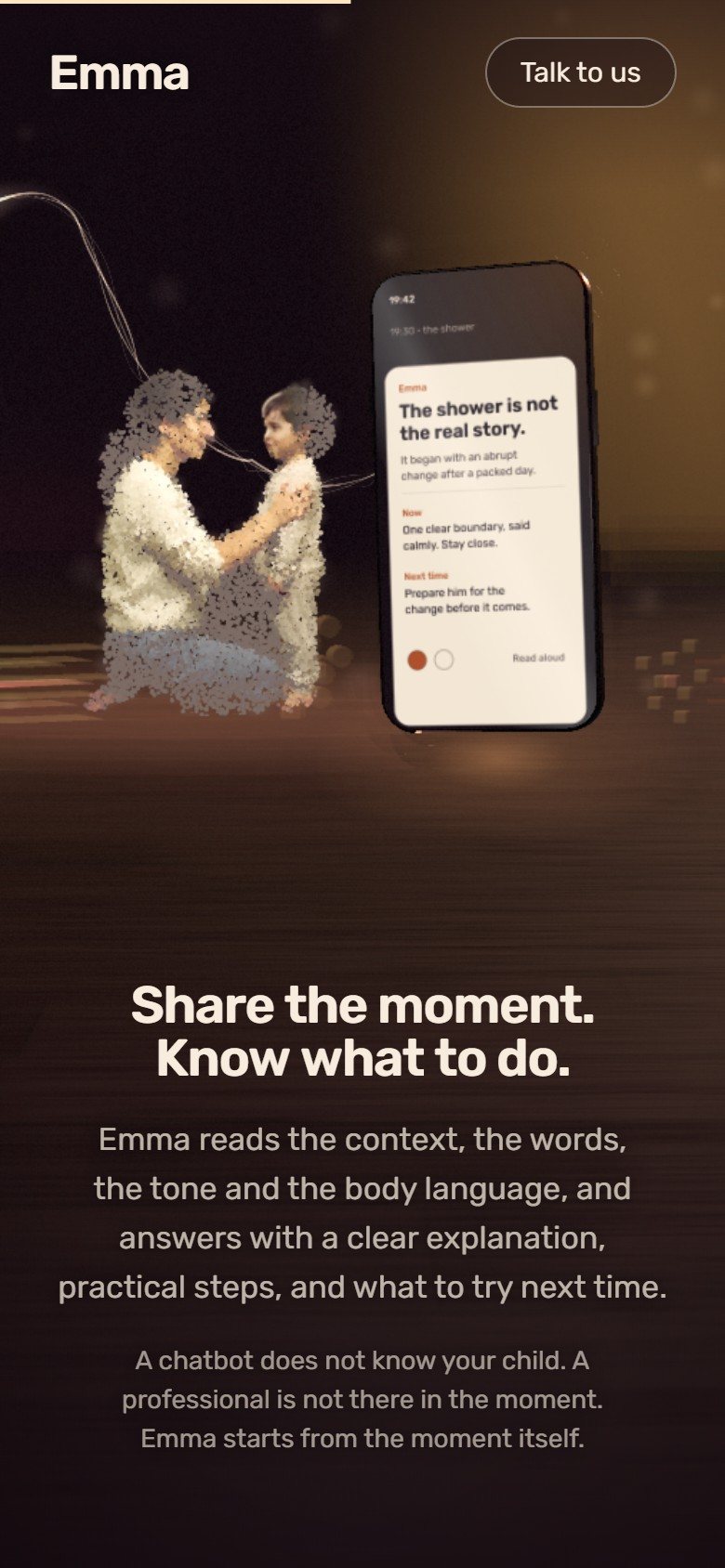
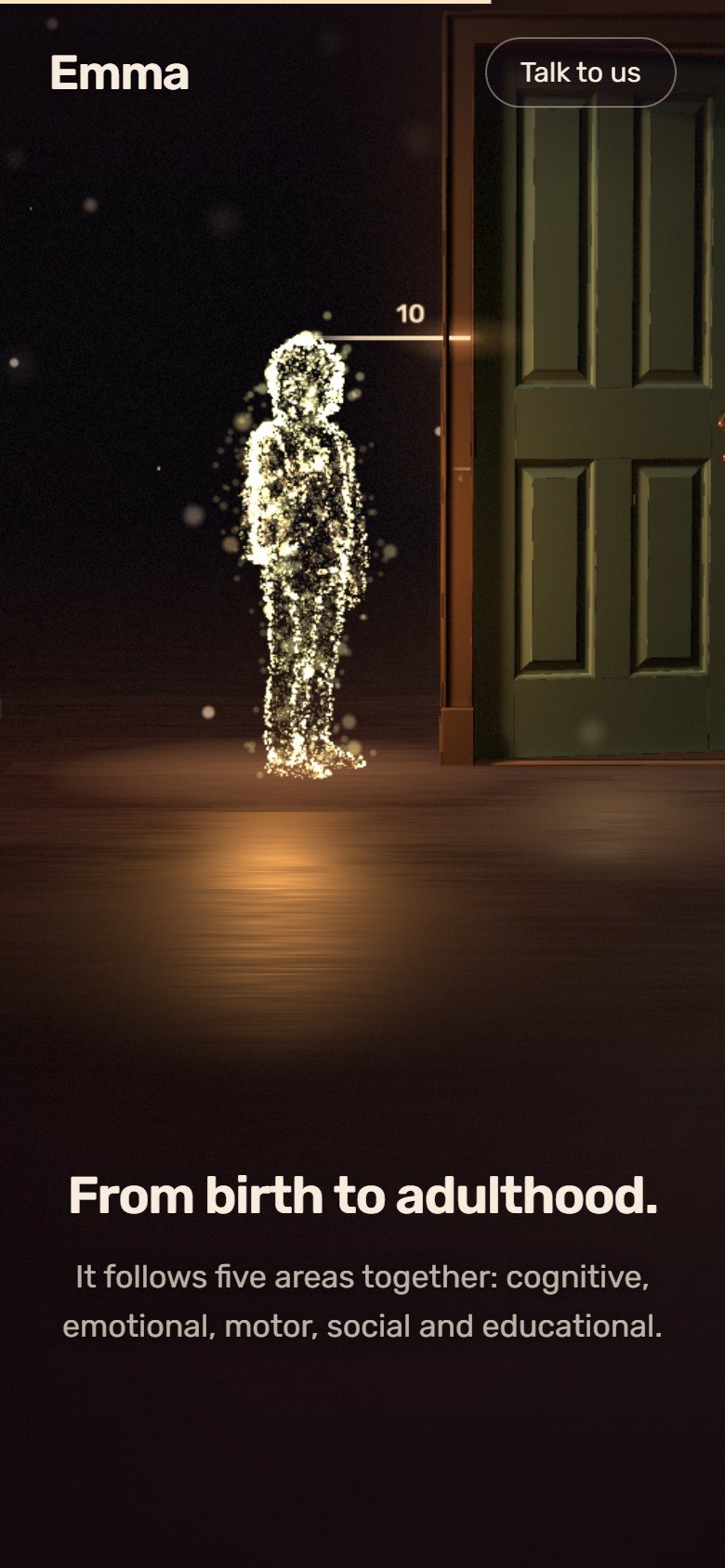
People appear as figures of light: thousands of warm points that flow into a body and away again. Where a scene needed a real child, a picture and its points share the frame, and a slow drifting field decides which shows where.
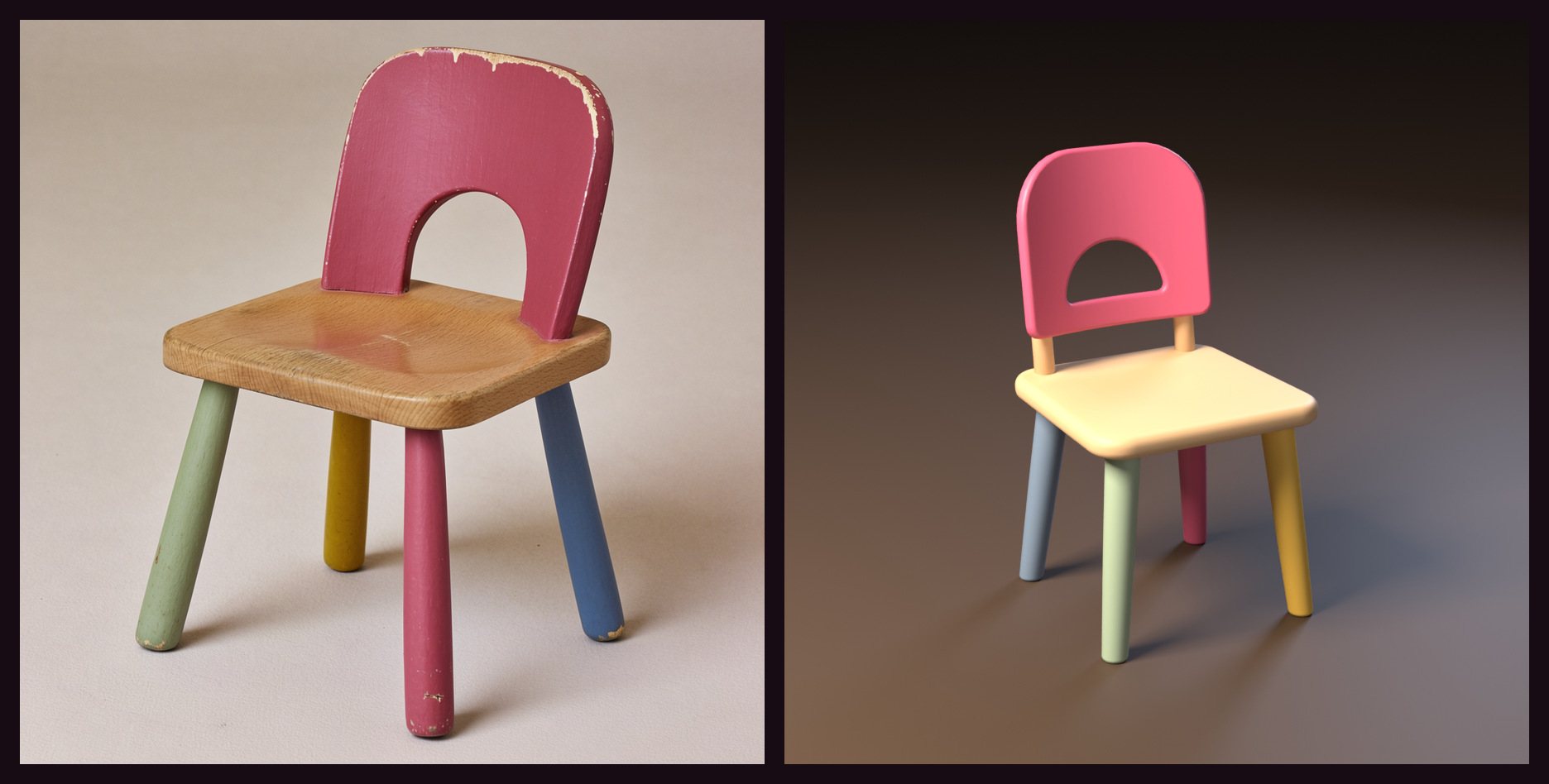
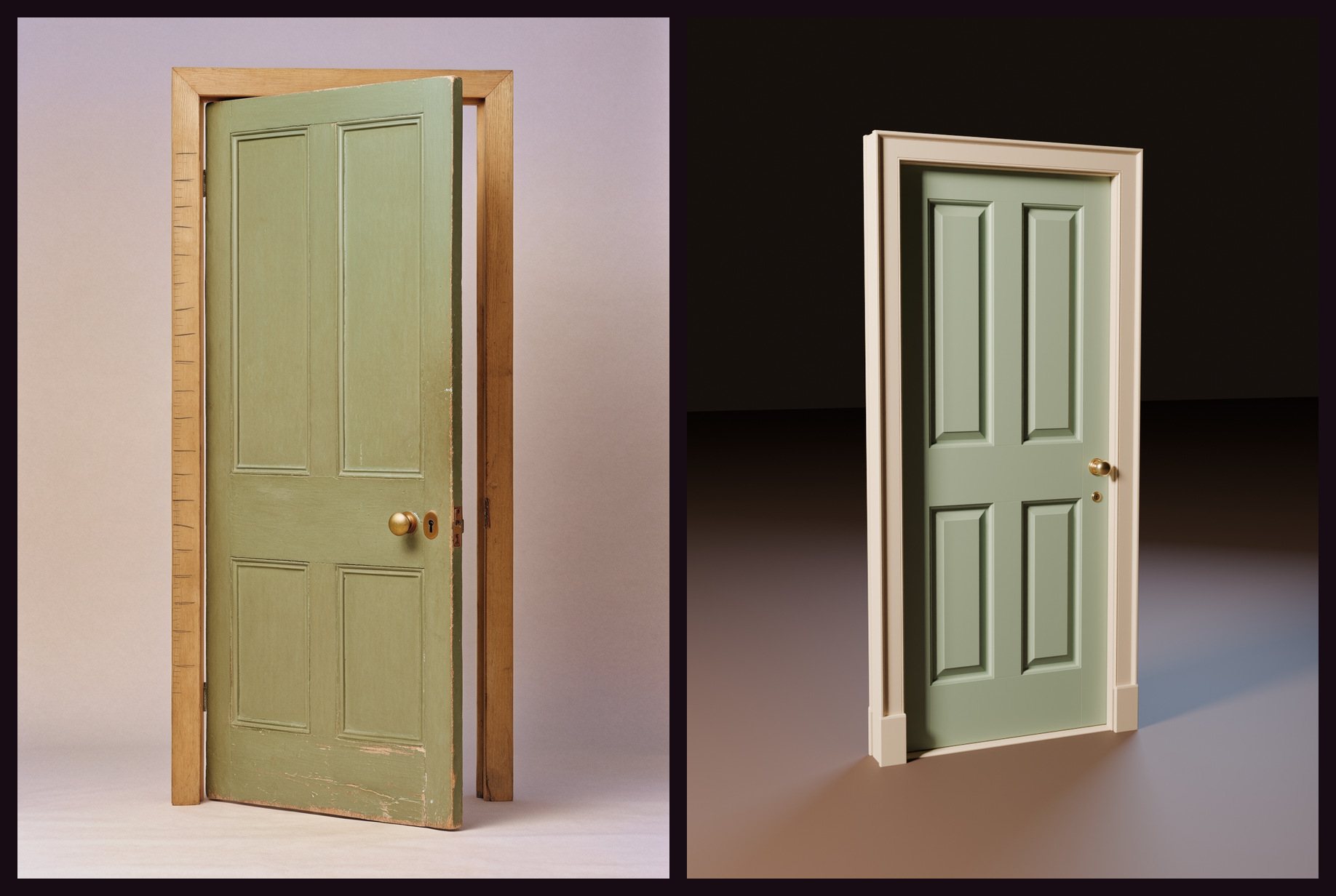
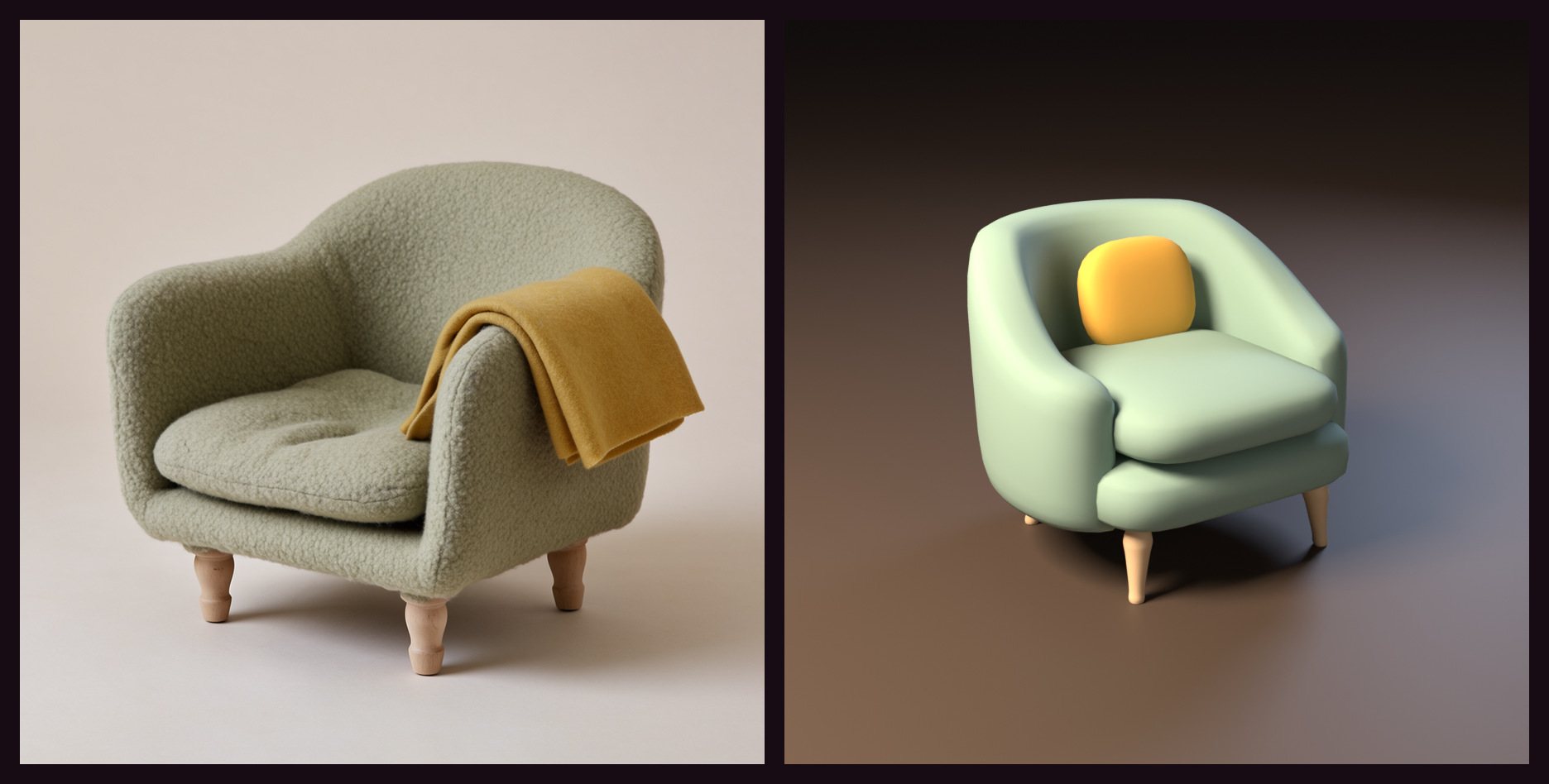
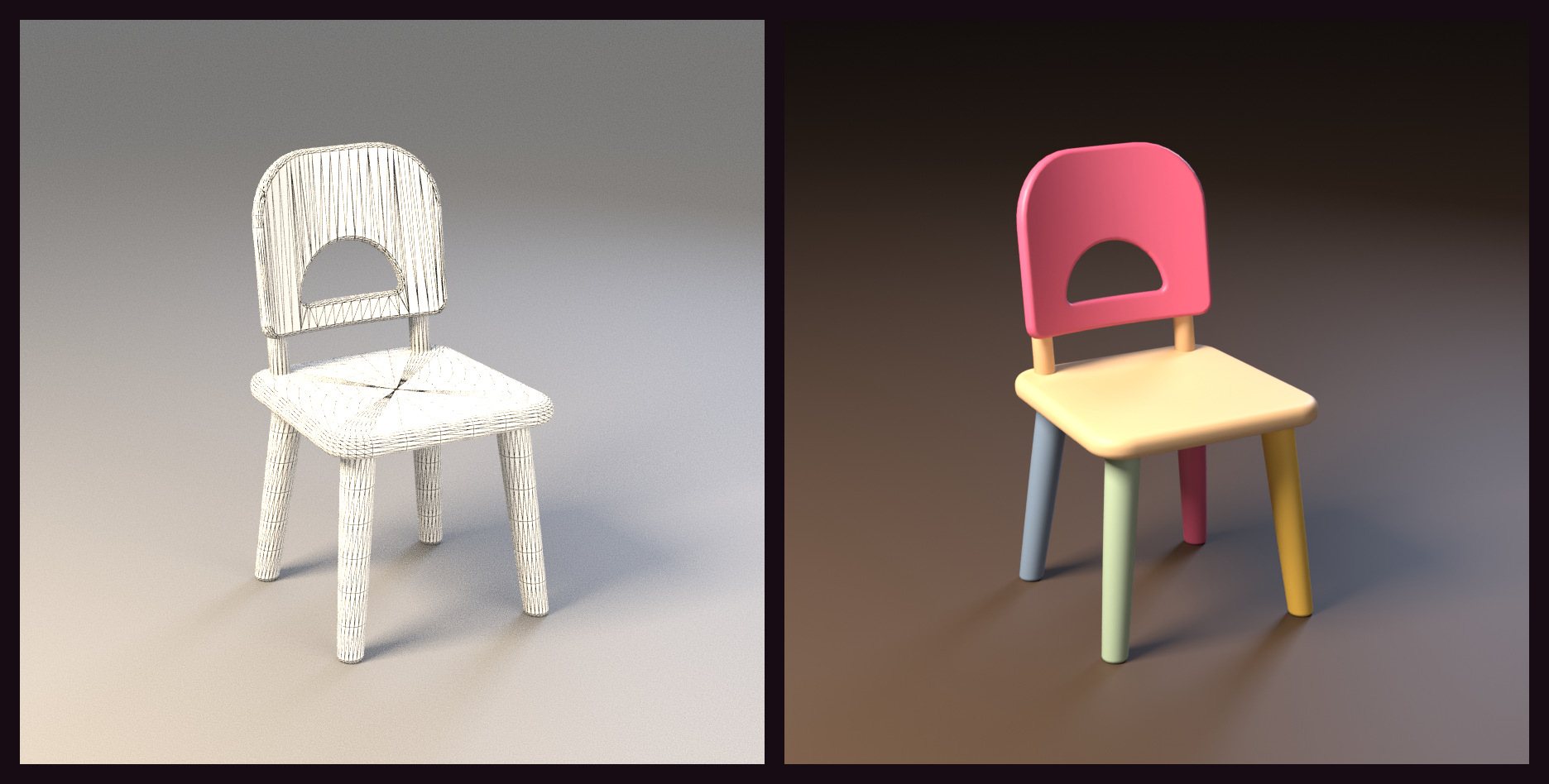
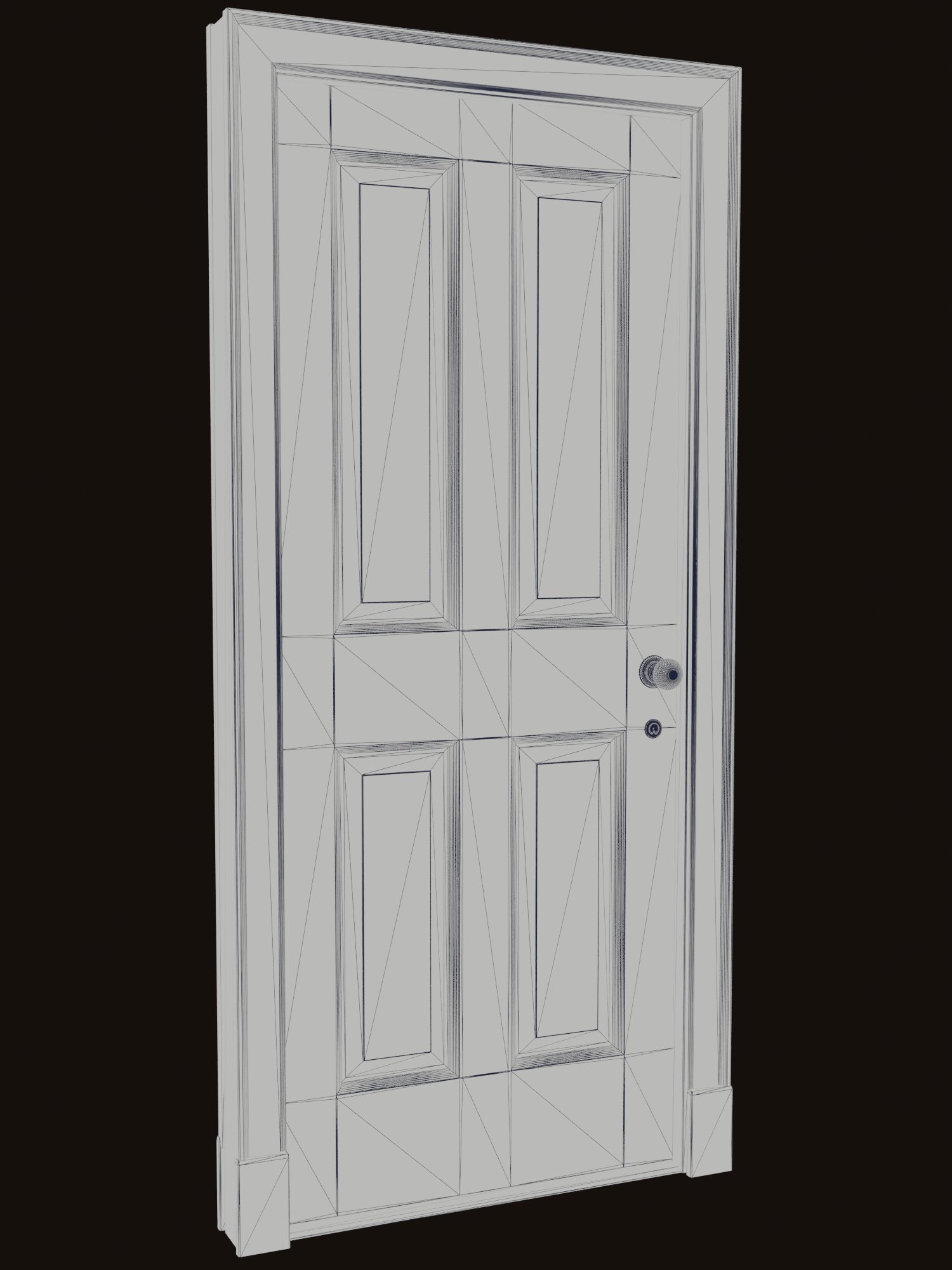
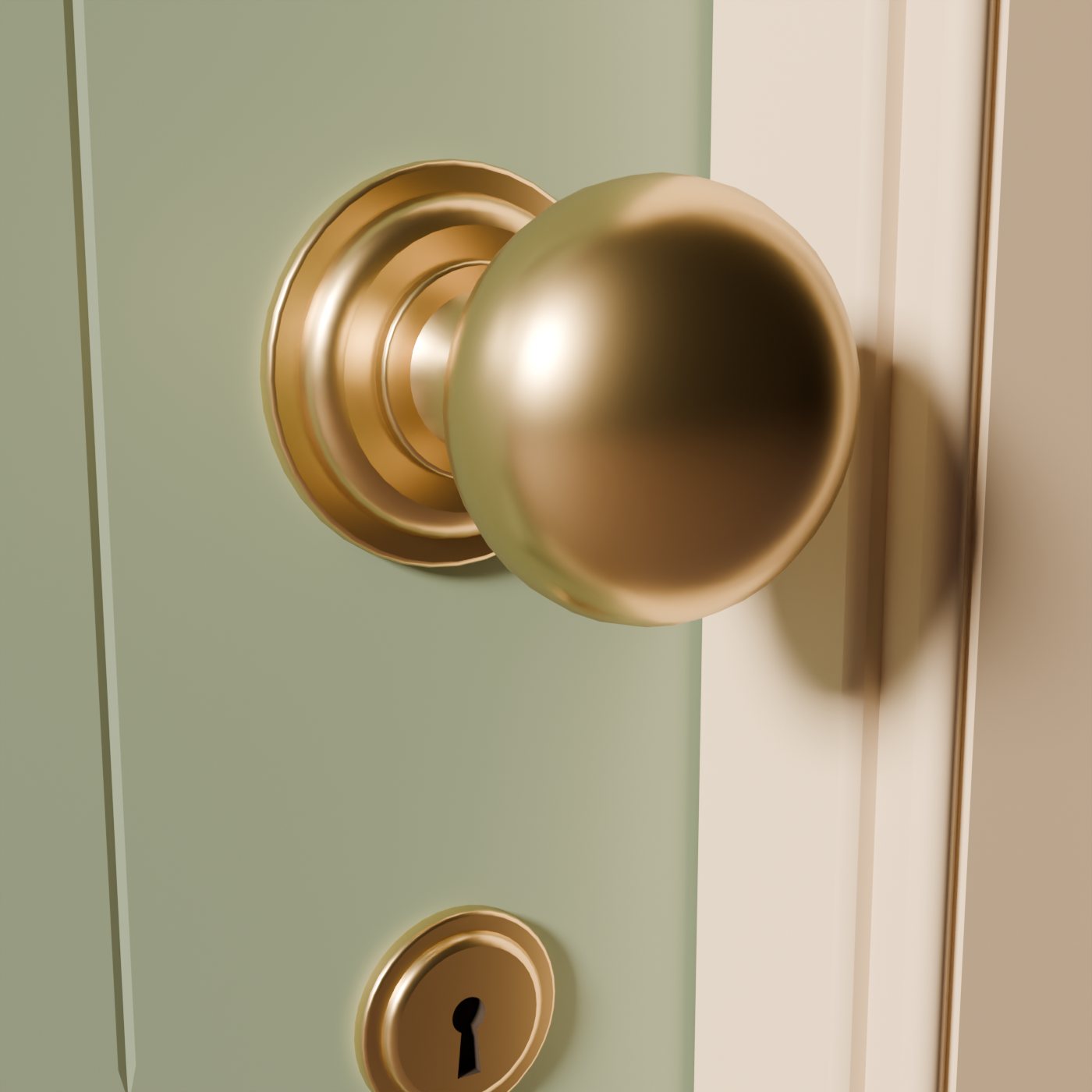
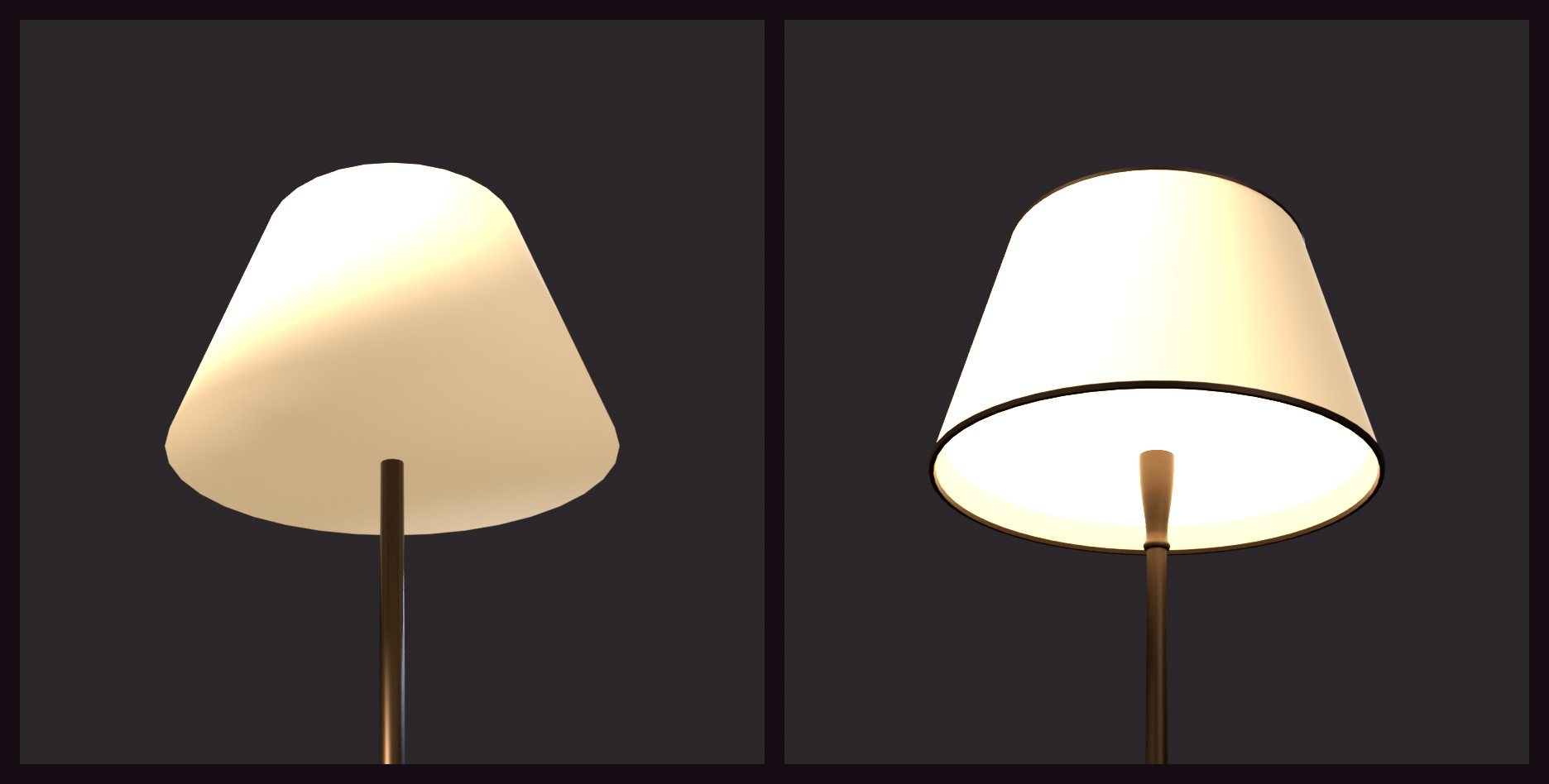
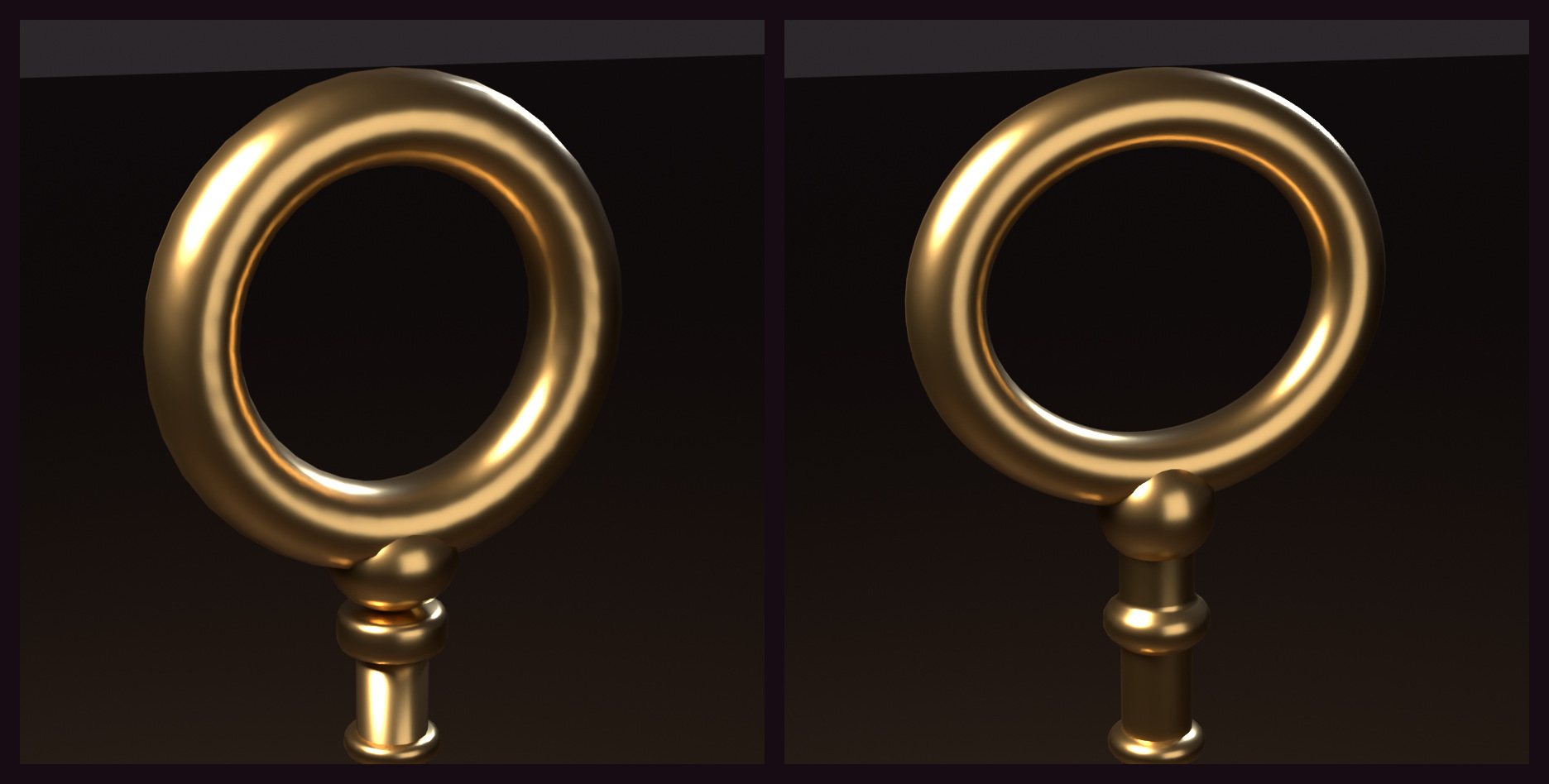
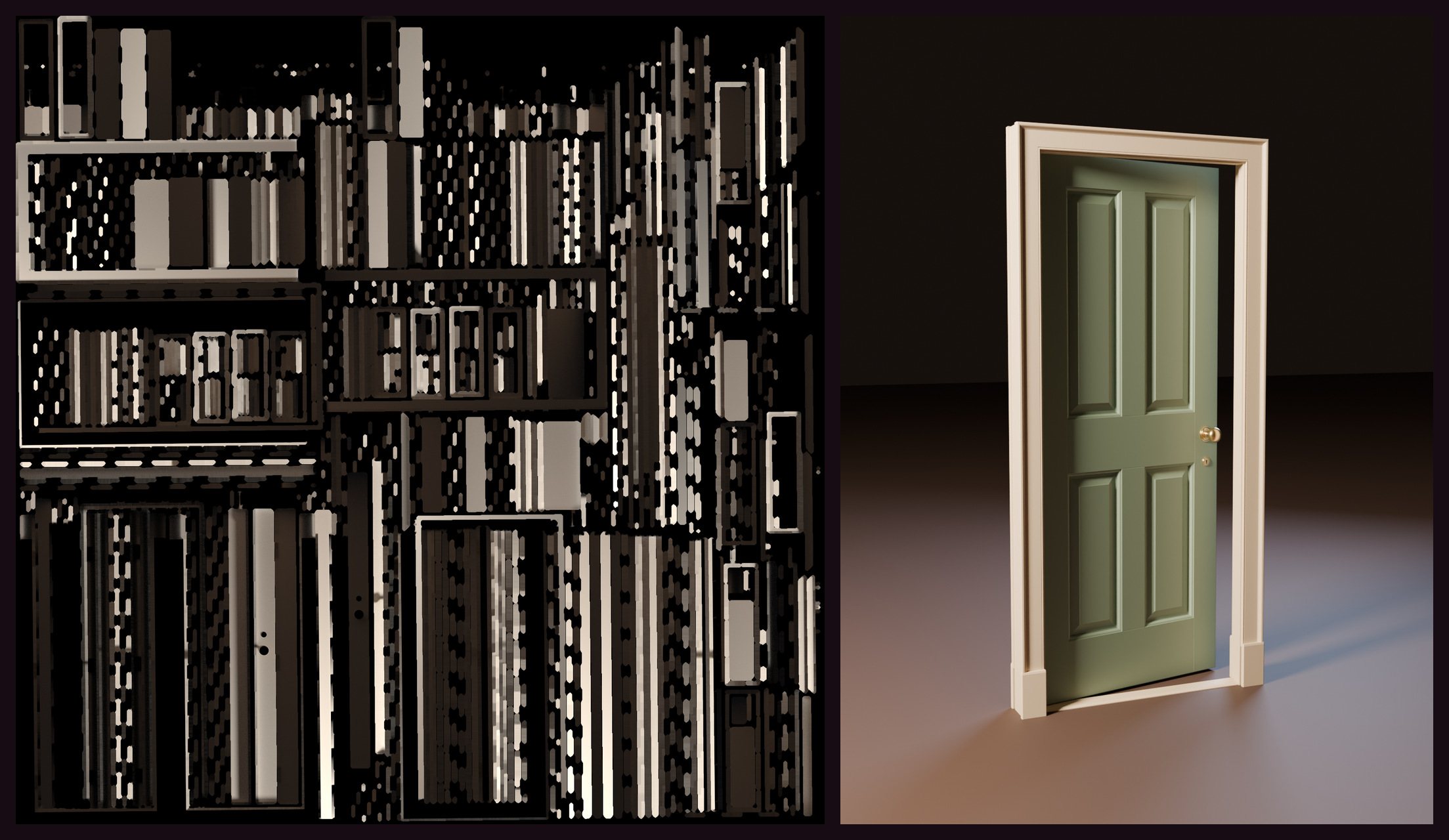
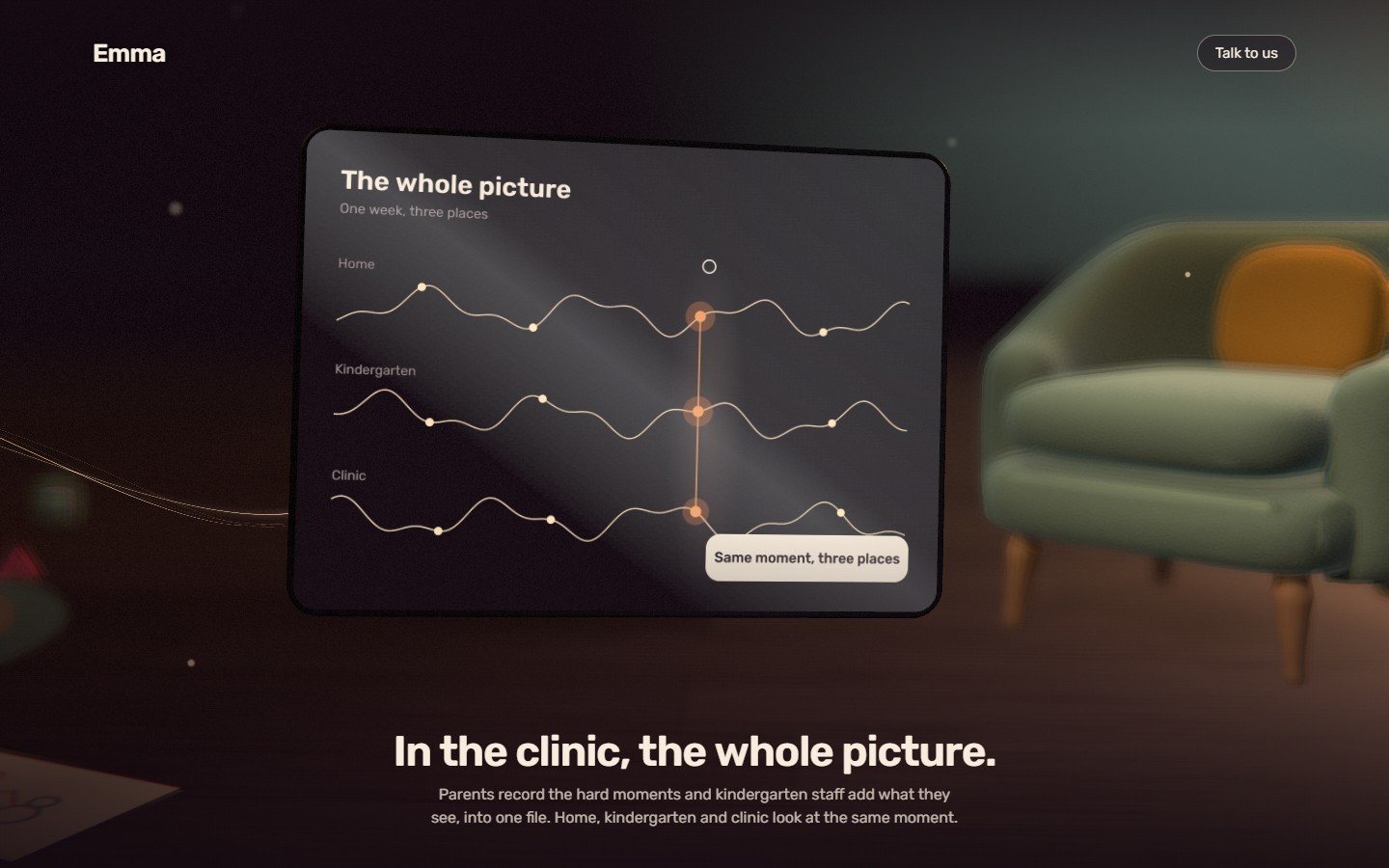
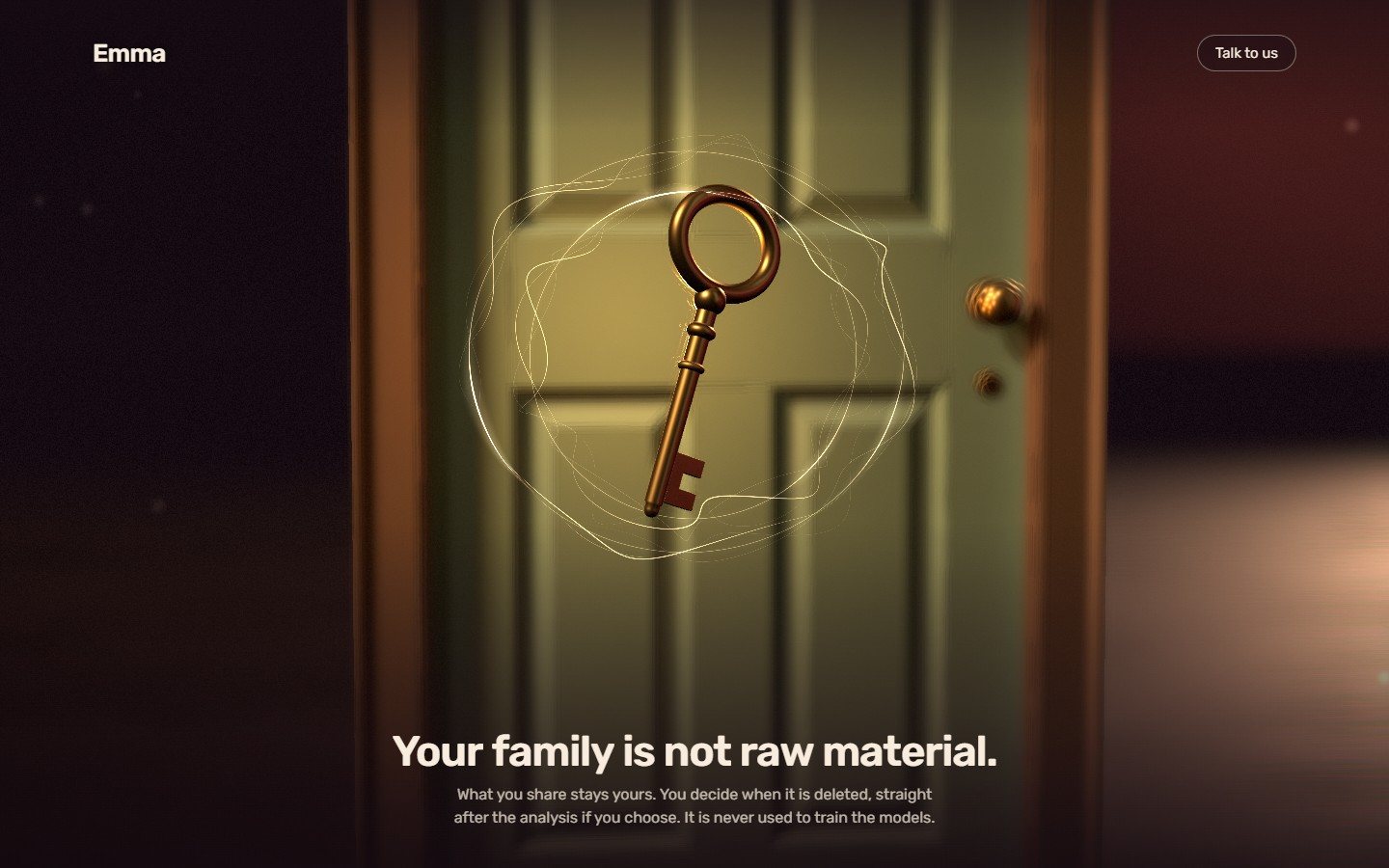
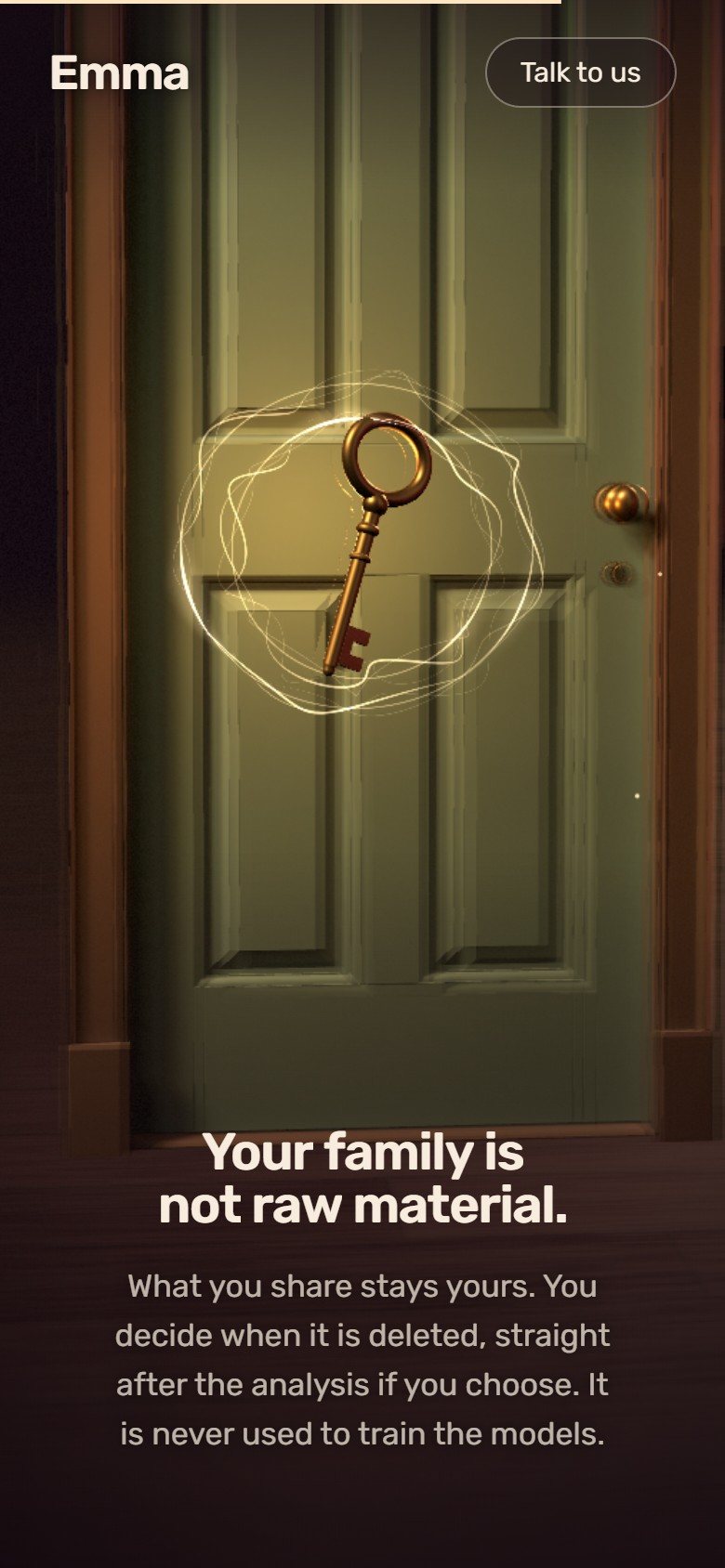
The furniture is modelled by hand to match a picture made first: a child's chair, an armchair, a door with real joinery, a lamp, a table and a key. Each model stays small. The realism comes from the surface and from light rendered into the texture.
The blocks have pillowed corners and four quiet finishes: matte nap, pale wood, speckled cream and pale cast, in seven paints from raspberry to slate.
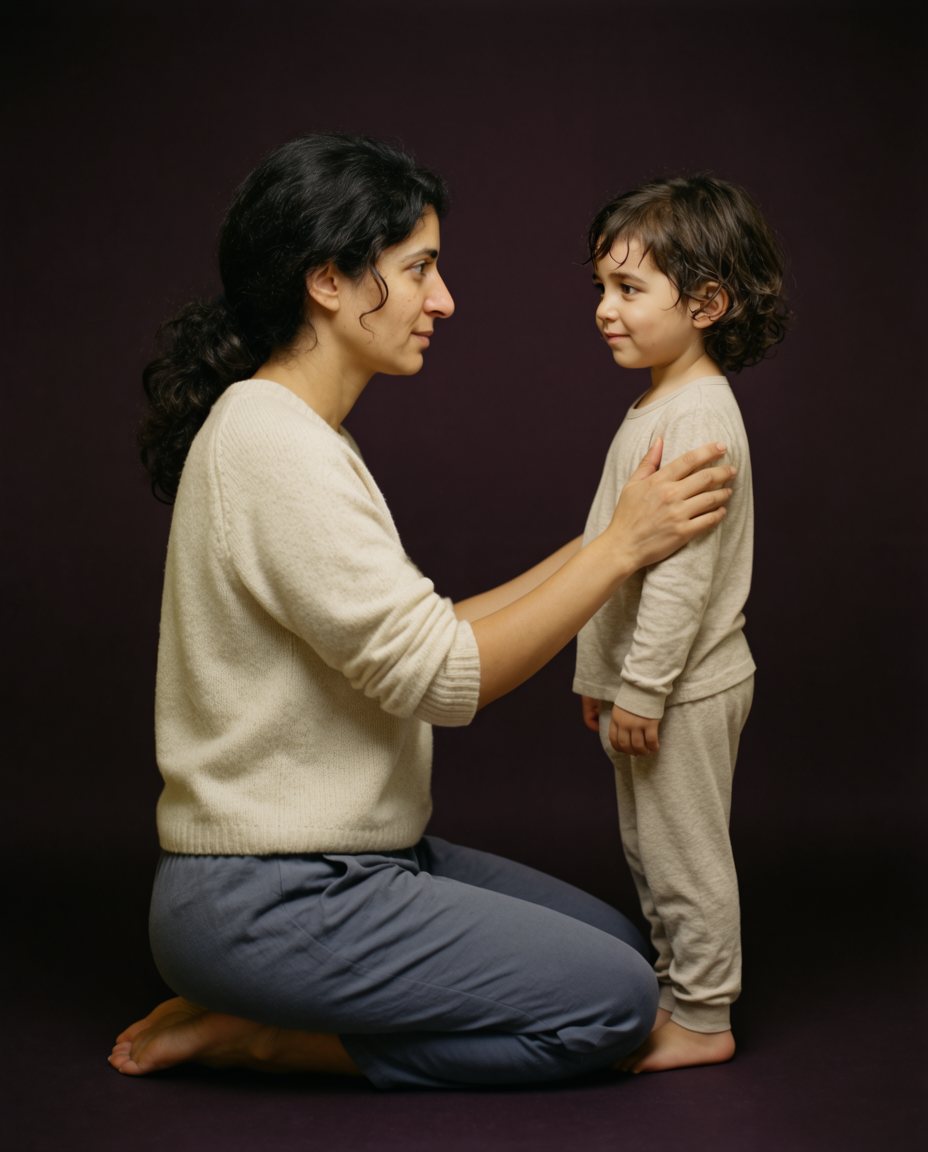
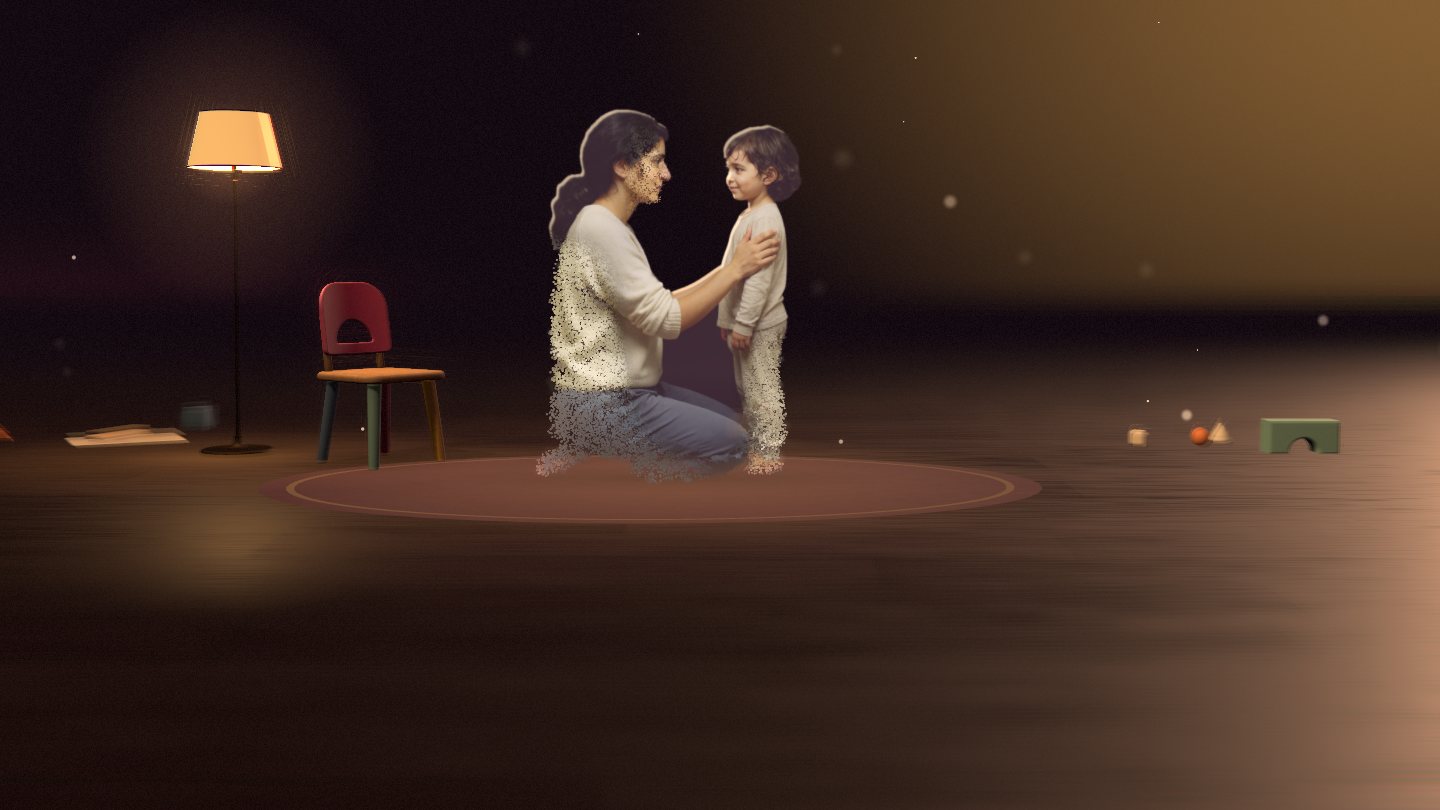
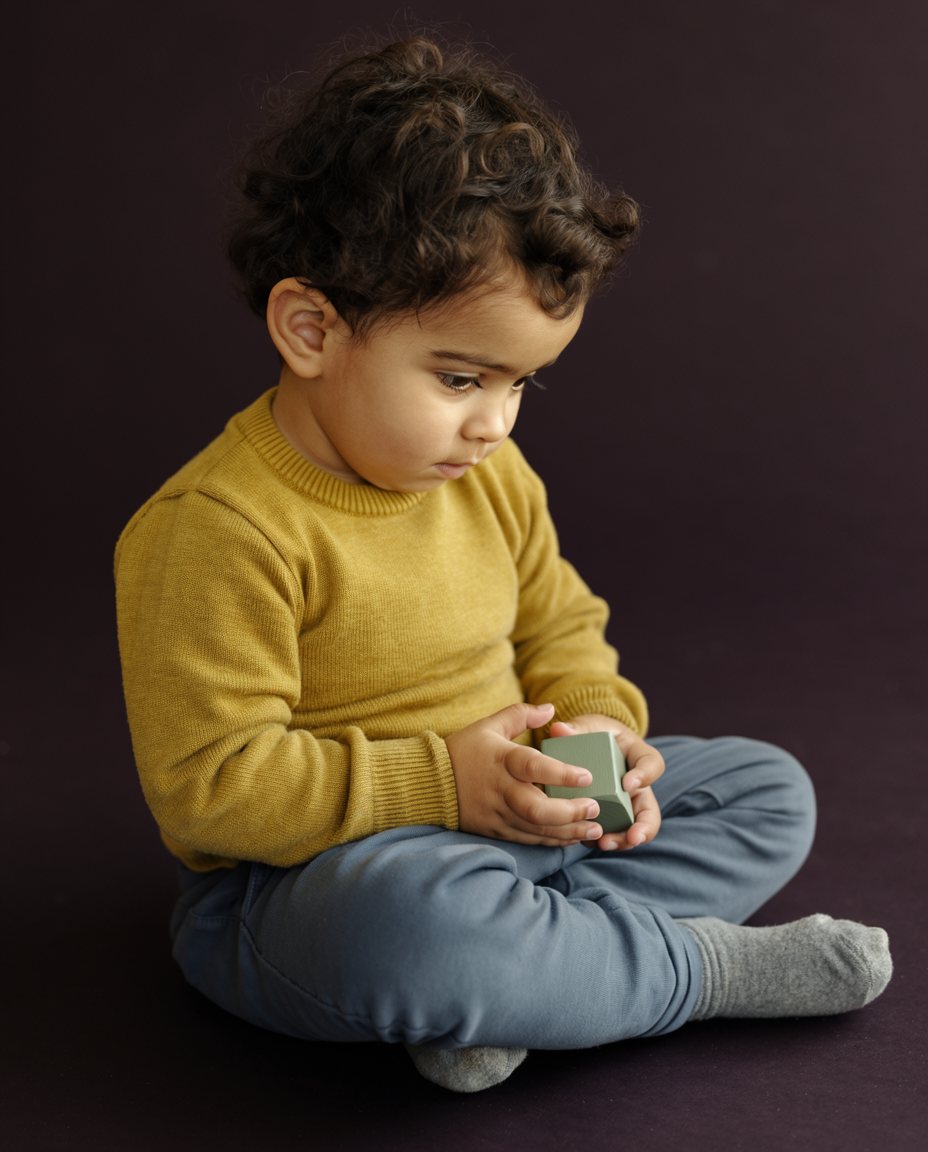
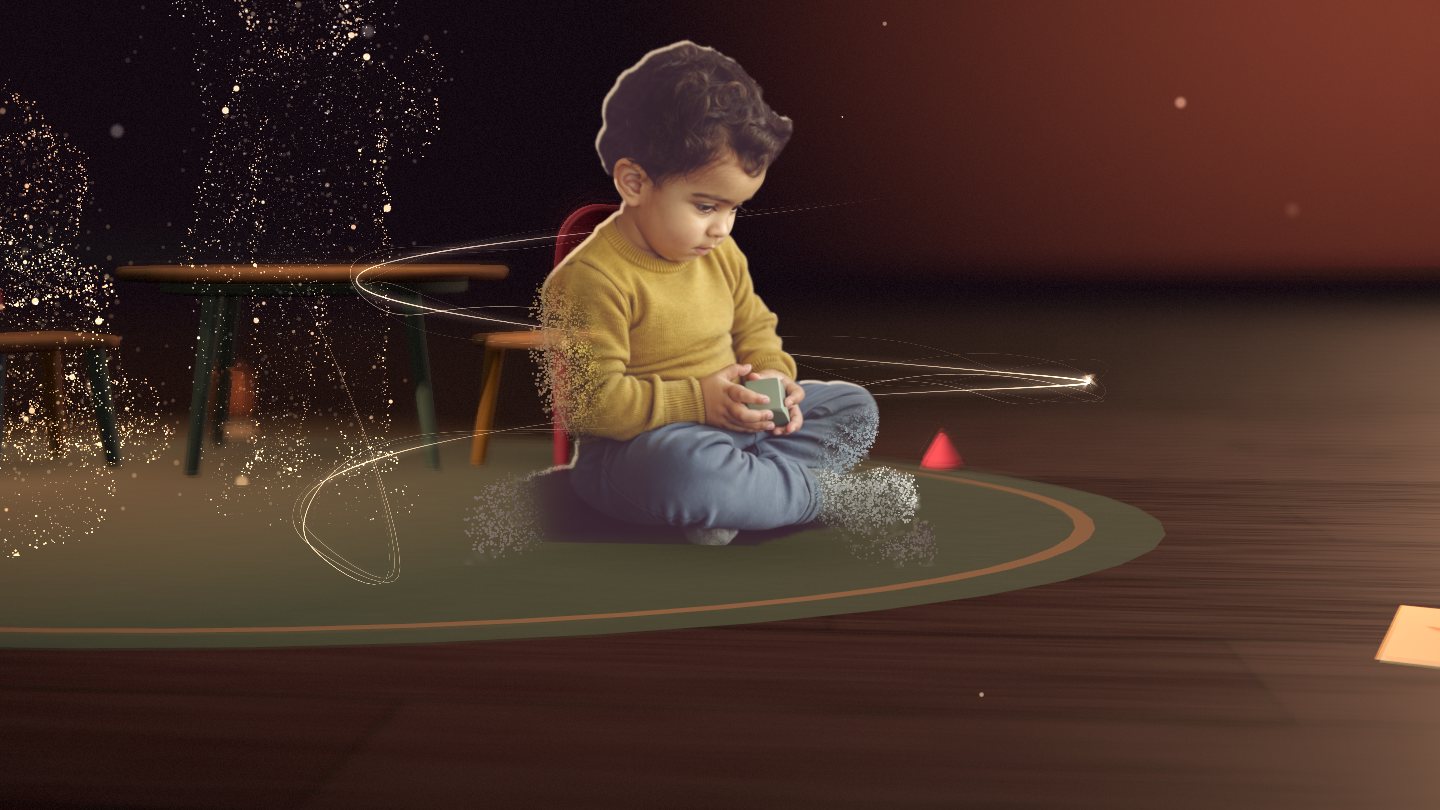
06 · Craft
Built to answer the hand.
The page scrolls natively. Every bit of scroll moves the picture at once and glides a little, and nothing snaps or springs back. The camera travels one smooth curve, with a station at every stop.
Scenes change through a level band of soft focus. Both scenes blur inside it, and one becomes the other.
One warm key light, high and to the left, follows each scene's subject and casts real shadows. Everything else falls into the dark.
Every word is real text, laid out right to left as easily as left to right, so the site can speak Hebrew as well as English. Each scene has a description for screen readers, and with reduced motion the page becomes a still, readable story.
On a phone the picture is budgeted: about sixty frames a second while scrolling, thirty at rest, twenty when left alone, and 30% fewer points of light. In all: 32 stops, nine rough versions, 737 refinements and 94 commits.
07 · The site
From a child's day to the next morning.
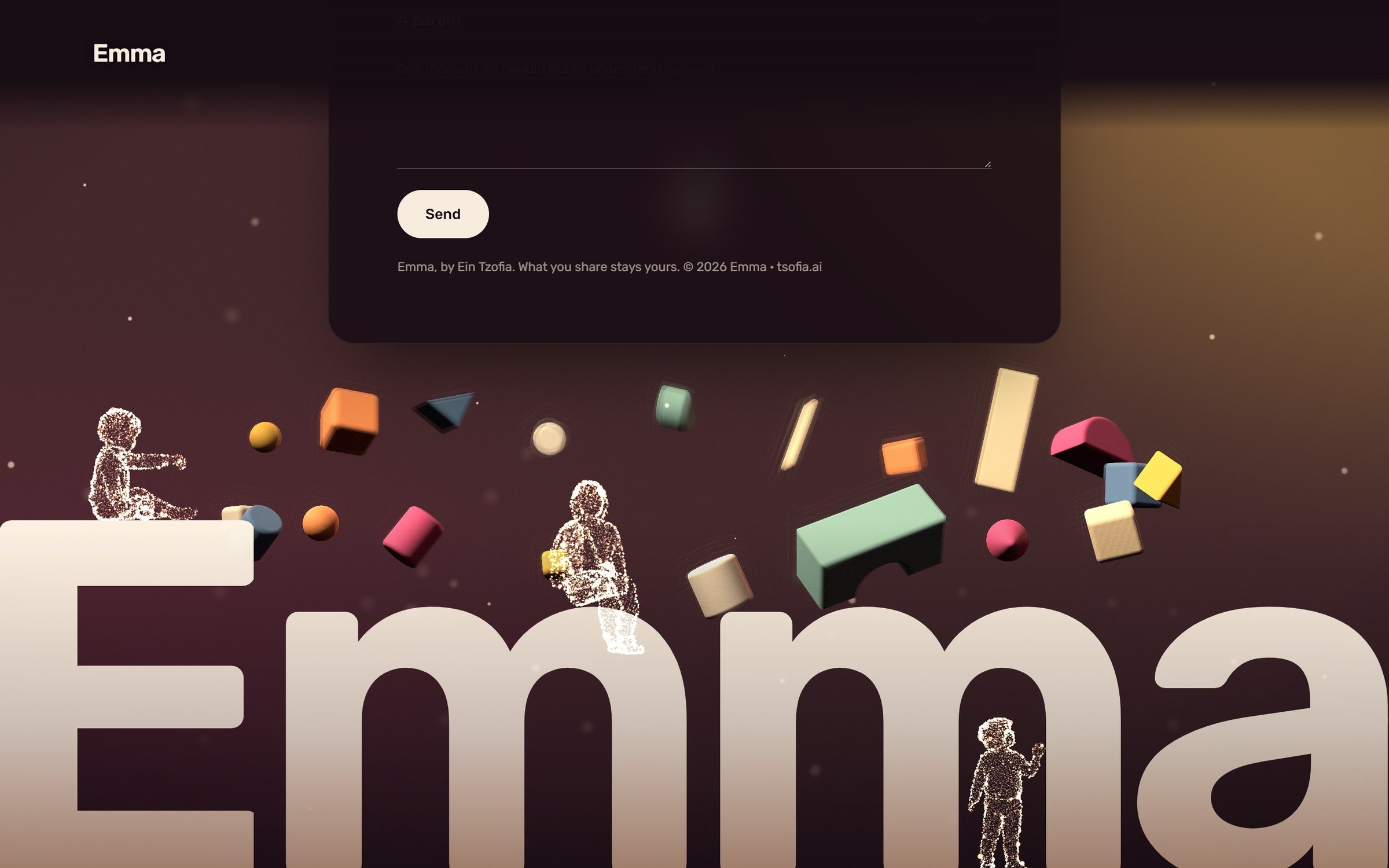
Thirty-two stops, each with something new to read and see. At the foot, the morning child's light floats down and settles as three children around the name.
A child's day, understood.
- Concept
- A self-initiated concept by Signal Eight, made to show our capabilities.
- Made by
- Signal Eight: art direction, story, copy, 3D and website
- Type
- Rubik
Next case study
Essence By Joann
Identity, photography, films and website for a small label of statement pieces, where one piece leads every outfit, every frame and every page.
Open to new clients until 30 November
Your first project, 30% off.
See what it is like to have one studio behind your brand. Your first project with us is 30% off until 30 November.
- Tell us about your brand.
- Get your free Signal Audit.
- Start your first project at 30% off.
New clients only. Applies to the fee for your first project with Signal Eight. Reach out by 30 November to lock it in.